Blog
What Are the Top Types of Hotel DND Signs?
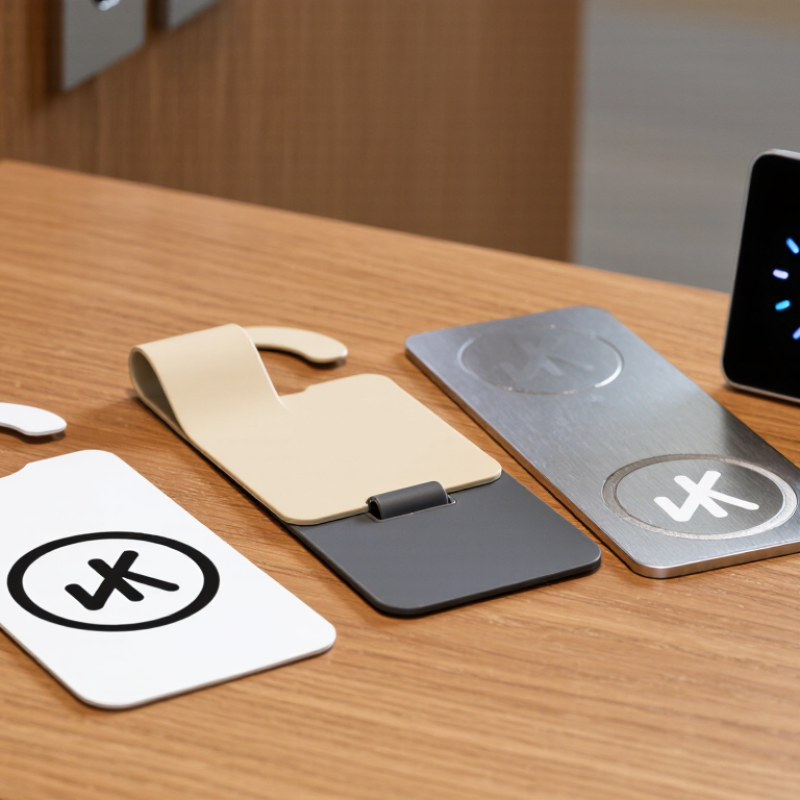
Hotel Dnd Signs may look like small details, but they shape how guests and staff share space. A paper hanger on a door handle communicates privacy. A reversible sign can also show when room service is welcome. Digital indicators offer another option, linking a guest’s choice to a hallway display or staff system. Each type solves a slightly different problem.
Hotel operations consultant Elena Brooks puts the principle this way: “A useful DND sign makes the guest’s preference clear without making the room feel impersonal.” That is the goal. The best choice depends on the property, its service routines, and how clearly guests can use the sign. A sturdy door hanger may suit a small inn. A durable, easy-to-clean panel may work better in a busy hotel. Digital systems can add convenience, but they need reliable setup and staff training. Technology is not automatically better.
This guide explores the top types of Hotel Dnd Signs, including traditional hangers, reversible signs, magnetic options, and electronic indicators. It considers visibility, materials, maintenance, and guest experience. A sign can be attractive yet hard to read from the hallway. That matters. A bright design may also clash with a quiet room’s atmosphere. Those trade-offs deserve attention, and not every property will make the same choice. The practical test is simple: Can a guest communicate a preference quickly, and can staff understand it at a glance?
What Hotel DND Signs Are and Why They Matter
A hotel Do Not Disturb sign is a guest-controlled signal: it tells housekeeping and other staff not to enter a room unless assistance is needed. It may be a door hanger, a light on a room panel, or a digital status shown to staff. The message is simple, but the practice behind it matters. A closed door and a clear sign help protect privacy, support rest, and reduce awkward interruptions during calls, naps, or late checkouts. Small details count: a sign that has fallen to the carpet communicates nothing.
DND signs also help teams plan their work. The American Hotel & Lodging Association’s 2024 State of the Industry report noted that 76% of surveyed hotels faced staffing shortages. That figure does not prove signs save a specific amount of time, but it shows why clear room-status cues can help staff prioritize available rooms. A sign is not a substitute for hotel procedures or a response to an emergency. Staff still need a clear way to handle urgent concerns and prolonged “Do Not Disturb” periods. Guests may not notice every policy. That gap deserves attention. Done well, the sign sets a respectful boundary while helping housekeeping avoid unnecessary door knocks and wasted trips.
Common Types of Hotel DND Signs
This comparison shows typical features of four formats, not their market share. A score of 1 means the feature is commonly present; 0 means it is generally absent. Designs vary by hotel.
The Main Types of Hotel Do Not Disturb Signs
The main types of hotel Do Not Disturb signs differ in material, placement, and how guests activate them. The familiar door hanger is inexpensive and easy to understand: a guest hangs it outside the room, often beside the handle. It works well, but can fall off or be missed by housekeeping staff moving quickly through a corridor.
Wall-mounted signs and sliding door indicators offer a more fixed option. Some use a simple red-and-green slider; others pair a room-side switch with an illuminated indicator outside. Electronic signs can be easier to spot, especially in dim hallways, but they depend on working power and clear staff procedures. A bright light is not helpful if employees do not know what it means. Small details matter.
A third type is the digital request made through a hotel app or in-room tablet. It avoids a physical sign, though guests may not notice the setting or may prefer a visible door cue. The 2024 J.D. Power North America Hotel Guest Satisfaction Study surveyed 39,469 hotel guests, reflecting how closely guest experience is measured across the industry. It did not evaluate DND signs specifically, so operators should not treat digital tools as automatically better. Clear wording, consistent colors, and a backup method are practical choices. Some systems still leave room for confusion.
How DND Signs Differ by Design, Message, and Function
Hotel DND signs differ in three practical ways: design, message, and function. A classic door hanger is visible from the corridor and easy to flip, but it can fall off or hide behind a partly open door. Magnetic or reusable signs stay in place more reliably, though their wording must remain readable at a glance. Large lettering, strong contrast, and familiar symbols help guests and housekeeping staff interpret the signal quickly. Small print is a poor trade-off.
The message should be direct: “Do Not Disturb” asks staff to avoid entry, while “Please Service Room” communicates a different need. Some signs offer both options on opposite sides; others add a preferred service time. This matters in busy operations. The American Hotel & Lodging Association’s 2024 State of the Industry report found that 76% of surveyed hotels reported staffing shortages. That figure does not prove DND signs save labor, but clear instructions may help staff prioritize visits and avoid unnecessary knocks. Function also depends on hotel procedures: a door sign communicates a request, not a complete account of safety or service needs. A sign can be clear and still be missed. Hotels should check that signs remain legible, are replaced when damaged, and match the language guests actually use.
Where Each Type of DND Sign Is Commonly Used
What Are the Top Types of Hotel DND Signs?
Where Each Type of DND Sign Is Commonly Used
Hanging door-handle signs are common in standard guest rooms. They are lightweight, easy to spot from the hallway, and simple for guests to turn around when service is welcome. A room attendant can check the message without knocking. They can slip off, though, if the handle is brushed by luggage.
Rigid door plaques are often used in suites, serviced apartments, and rooms with wider entry doors. Their firm shape makes the message easier to read from a few steps away. Some properties attach them with a hook or magnetic backing. Check the fit before use; not every door handle or surface suits the same design.
Reversible signs work well in hotels that want one item to display either “Do Not Disturb” or “Please Service Room.” They are common in busy city hotels, where housekeeping teams follow changing room requests throughout the day. Some properties also use electronic indicators outside guest rooms. These are more common in newer buildings with connected room systems, but they need working power and clear staff procedures. Small detail. A sign only helps when guests and staff interpret it the same way.
What Are the Top Types of Hotel DND Signs? — Where Each Type of DND Sign Is Commonly Used
| DND Sign Type | Typical Format | Common Use | Advantages | Practical Considerations |
|---|---|---|---|---|
| Door-Hanger Sign | Printed card with a cutout or hook that hangs on the exterior door handle | Guest rooms in hotels, inns, and guesthouses | Easy to notice from the corridor, simple to distribute, and inexpensive to replace | Can be removed, misplaced, or obscured; use clear, large lettering and durable stock |
| Reversible Door Hanger | Two-sided hanger with “Do Not Disturb” on one side and a service request on the other | Hotels where guests can choose between privacy and room cleaning | Combines two common guest requests in one sign and reduces the need for separate notices | Keep both messages distinct and readable; staff need a consistent process for interpreting each side |
| Magnetic Door Sign | Flat magnetic panel placed on a compatible metal door | Properties with metal room doors, including some hotels and serviced apartments | Reusable, easy to reposition, and less likely to fall than a loose paper notice | Will not attach to non-magnetic surfaces; confirm door material and use a visible placement position |
| Static-Cling Window Sign | Flexible cling graphic applied to glass without adhesive | Rooms with a glass panel or window beside the entrance | Can be applied and removed without leaving adhesive residue on suitable glass surfaces | Visibility depends on the glass layout and lighting; it is not suitable for many solid doors |
| Electronic Privacy Indicator | Illuminated indicator outside the room, usually paired with an in-room switch or control | Newer hotels and properties with integrated room-control systems | Provides a clear corridor-side signal and can connect with housekeeping workflows | Requires installation and maintenance; staff procedures should account for system faults or power loss |
| In-Room DND Control | Wall switch, bedside control, or room tablet that activates a privacy status | Guest rooms with centralized lighting or room-management controls | Guests can request privacy without placing a notice on the door handle | Often works best with a visible exterior indicator; provide simple instructions for guests |
| Printed Notice or Placard | Card or placard placed in a door slot, holder, or designated exterior display area | Properties with built-in door holders or established sign holders | Can match existing room information materials and is straightforward to update | Use only in a designated holder so the notice remains secure, visible, and clear of door hardware |
How to Choose the Right DND Sign for a Hotel
What Are the Top Types of Hotel DND Signs?
How to Choose the Right DND Sign for a Hotel
Choosing a DND sign starts with the room, not the catalogue. A quiet city hotel may need a clear door hanger, while a resort room with a glass entry may suit a larger, high-contrast sign. Check that guests can read the message from the corridor, even in dim light. Use plain wording and familiar symbols; small decorative type can look elegant but may be hard to understand. Consider double-sided signs that show “Do Not Disturb” on one face and “Please Service Room” on the other. For durability, inspect the hanger’s edges and test whether it stays on the handle when the door closes. A flimsy sign feels like an afterthought. It can still happen.
Operational needs matter, too. AHLA’s 2024 industry survey reported that 76% of hotels faced staffing shortages, making clear room-status communication especially useful for busy housekeeping teams. That figure does not prove one sign design is best; it does underline the value of messages staff can spot quickly. Choose materials that tolerate frequent handling and routine cleaning, and check that the design fits your property’s existing service procedures. Avoid relying on color alone, since lighting and visual ability vary.
Tips: Place the sign where guests naturally reach for the handle. Test it on several door styles. Ask housekeeping whether the wording is instantly clear. Then revise if it isn’t. A quick real-world trial often catches problems a desk review misses.