Top CNC Box Manufacturers for Global Buyers?
Choosing the right CNC box manufacturer can shape product quality, delivery reliability, and long-term business costs. Global buyers need more than attractive catalog images. They need verified production capabilities, clear communication, and consistent quality control.
A dependable CNC box supplier should explain material choices, machining tolerances, surface finishes, and packaging methods. Aluminum may suit lightweight enclosures, while stainless steel offers stronger corrosion resistance. Ask for drawings, samples, inspection reports, and realistic production schedules. Experienced manufacturers can discuss wall thickness, thread design, corner radii, and heat management before production begins. These details often prevent expensive revisions.
A strong supplier also understands export documentation and protective shipping. Each CNC box should arrive without dents, scratches, contamination, or missing hardware. Buyers should review certifications carefully and confirm whether testing applies to the actual factory. Factory visits, video inspections, and third-party audits can strengthen trust.
No supplier is perfect. Small communication gaps may still appear. The best manufacturers acknowledge them quickly and correct the process. Price alone cannot show manufacturing ability. A lower quote may hide weaker alloys, loose tolerances, or limited after-sales support. Real production experience matters.
This guide compares leading CNC box manufacturers for global buyers. It considers machining expertise, customization, quality systems, communication, lead times, and international service. The goal is practical decision-making, not exaggerated rankings. Readers can use these criteria to identify partners that fit their technical requirements, budget, and expected order volume. Carefully chosen evidence makes the final decision more reliable.
What CNC Box Manufacturing Involves and Why Global Buyers Choose It
Top CNC Box Manufacturers for Global Buyers?
CNC box manufacturing converts a digital CAD drawing into a physical enclosure. The process may include material selection, CAM programming, toolpath simulation, milling, drilling, sanding, and inspection. Common materials include hardwood, plywood, aluminum, and engineering plastics. Each material changes cutting speed, tool choice, surface quality, and shipping weight.
Global buyers choose CNC production for repeatable dimensions and flexible customization. A supplier can reproduce the same lid fit across multiple batches, while adjusting engraving, hinges, cavities, or internal foam spaces. Deloitte’s 2023 Smart Manufacturing and Operations Survey found that 86% of manufacturing leaders expect smart production to become essential within five years. That shift supports digital, file-based production. The ISO Survey 2022 also recorded more than one million valid ISO 9001 certificates worldwide, showing why documented quality systems matter during supplier evaluation. Still, CNC is not magic. A perfect drawing can produce a poor box if the material moves, the tool is dull, or tolerances are unrealistic.
Tips: Request a sample, dimensional report, material certificate, and clear tolerance table. Confirm packaging tests before approving a large shipment. Ask how revisions are controlled. Small omissions become expensive overseas.
From practical sourcing experience, the strongest specification includes finished dimensions, wall thickness, grain direction, surface treatment, hardware details, and acceptable cosmetic defects. Buyers should also review first-article photos beside a ruler. This simple check often reveals mismatched scale or edge radii. Cost is important, but predictable quality usually matters more than the lowest quotation.
Key Criteria for Evaluating CNC Box Manufacturers Worldwide
Choosing a CNC box manufacturer requires more than comparing prices. Global buyers should examine machining accuracy, material control, and production experience. Ask for measured tolerances, inspection records, and sample parts before approving large orders. A reliable supplier can explain its process clearly, from CAD review to final packing.
Material selection matters. Aluminum, stainless steel, and engineering plastics behave differently during cutting and finishing. Request evidence of surface treatment, dimensional testing, and batch traceability. Quality certificates can help, but they do not replace independent inspection. A polished website may still hide weak production control. I have seen attractive samples fail when production volumes increased.
Tips: Check communication speed and technical understanding. Send a drawing with critical dimensions and observe the response. Confirm tooling ownership, packaging details, lead times, and corrective-action procedures. Ask how rejected parts are recorded and replaced. A strong manufacturer welcomes these questions. Still, no supplier is perfect; unclear drawings or rushed approvals can create avoidable defects. Allow time for a production trial, even when the first sample looks excellent.
Leading CNC Box Manufacturers and Their Production Capabilities
Leading CNC Box Manufacturers and Their Production Capabilities
Leading CNC box manufacturers now combine automated routing, digital modeling, and controlled finishing. Grand View Research reported that the global CNC machine market reached approximately USD 88.6 billion in 2023. Its forecast also indicates continued growth through 2030. This expansion reflects stronger demand for accurate wooden boxes, protective cases, and custom enclosures.
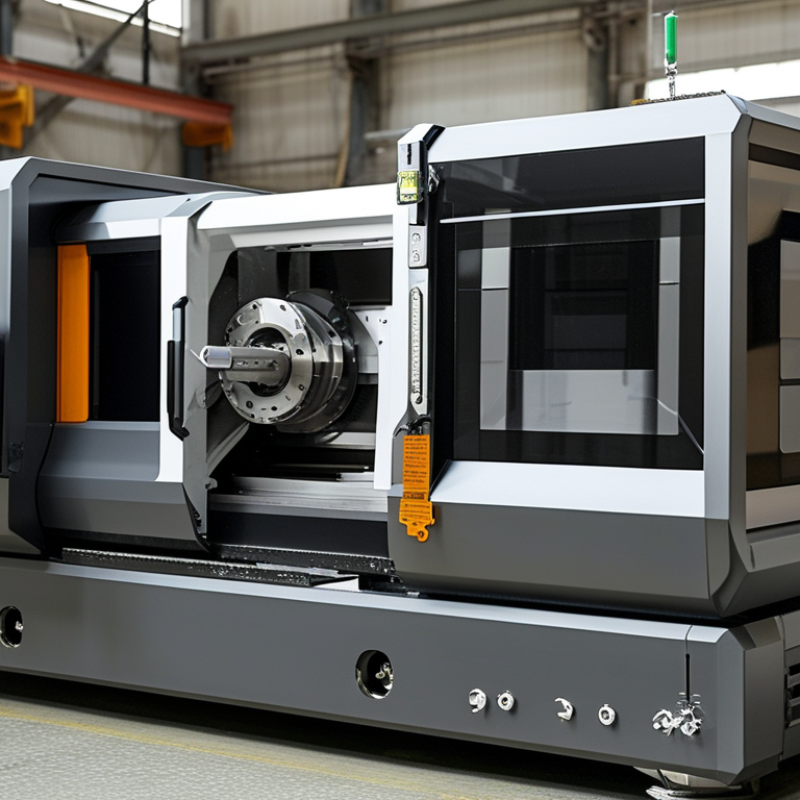
Serious manufacturers usually operate three-axis or five-axis CNC routers. Five-axis equipment handles curved panels, recessed lids, and complex internal supports with fewer repositioning errors. Typical capabilities include plywood, hardwood, MDF, aluminum, and engineered plastics. A reliable factory should document cutting tolerances, moisture control, edge finishing, and surface inspection. Some suppliers can maintain tolerances near ±0.1 millimeter, but material movement may reduce consistency.
Production evidence matters more than attractive samples. Buyers should request process photos, inspection records, material certificates, and batch traceability. ISO 9001-based quality systems are useful, although certification alone proves little. The industrial enclosure market is also expanding, according to MarketsandMarkets, driven by electronics, automation, and infrastructure projects. That trend is increasing demand for stronger CNC-fabricated protective boxes.
Capacity needs careful checking. A workshop may advertise high monthly output while relying on manual sanding and delayed subcontracting. Ask about spindle power, machine availability, prototype speed, and peak-season lead times. Export packaging and moisture protection deserve equal attention. A beautiful box can still fail after a long sea journey. Specifications should be tested against real transport conditions, not only showroom samples.
Materials, Customization Options, Quality Standards, and Certifications
Top CNC Box Manufacturers for Global Buyers?
Selecting a CNC box manufacturer requires more than comparing unit prices. Aluminum is lightweight, corrosion resistant, and suitable for electronic enclosures. Stainless steel offers stronger impact protection but increases machining time and shipping weight. ABS and other engineering plastics can reduce cost for lighter applications. Material certificates should confirm the alloy, resin grade, and batch information.
Customization may include wall thickness, mounting holes, cable glands, hinges, seals, logos, and surface finishes. An experienced supplier should review three-dimensional drawings before cutting metal. Small details matter. A misplaced hole can delay assembly and create expensive rework. Request samples with measured dimensions, thread checks, and fit tests. Color anodizing can vary between batches, so buyers should approve a physical sample.
Quality systems deserve careful attention. ISO 9001 supports controlled production, inspection records, and corrective actions. ISO 14001 may indicate stronger environmental management. For electrical products, RoHS and REACH documentation can support market access, while enclosure ratings such as IP testing should match the intended use. Certificates alone are not proof of consistent quality. I have seen polished documents paired with weak inspection data. Ask for material traceability, calibration records, first-article reports, and shipment photographs. Independent testing may be worthwhile for outdoor or safety-critical boxes. Some projects still overlook packaging, and scratched finishes often reveal that mistake too late.
Top CNC Box Manufacturers for Global Buyers
Material selection is a key factor in CNC box performance, shipping weight, corrosion resistance, and customization potential.
The chart compares typical room-temperature densities for commonly used CNC box materials. Aluminum 6061-T6 offers low weight and good machinability, while stainless steel 304 provides higher mass and strong corrosion resistance. ABS and polycarbonate are lightweight options often selected for insulating or impact-resistant enclosures.
Global buyers should also confirm customization options such as wall thickness, mounting holes, ventilation slots, surface finishing, engraving, thread inserts, and sealing requirements. Quality controls commonly reference ISO 9001-based production systems, technical drawings with GD&T, material certificates, dimensional inspection reports, and applicable IP or CE requirements depending on the final application.
Density values are representative engineering values at room temperature and may vary by alloy, grade, additives, and manufacturing specification.
How Global Buyers Can Compare Suppliers, Costs, and Delivery Terms
Global buyers comparing CNC box manufacturers should begin with technical fit, not the lowest quotation. Request drawings, material specifications, tolerances, surface requirements, and sample photos. A supplier may produce attractive prototypes but struggle with stable dimensions during mass production. Ask for inspection records, machine capabilities, and corrective-action procedures. These details reveal practical experience better than polished sales language.
Compare costs line by line. Include tooling, programming, raw materials, finishing, packaging, inspection, and export documentation. Confirm whether prices are based on EXW, FOB, or delivered terms. Currency changes can affect the final budget. Payment schedules also matter. A smaller deposit may protect cash flow, while milestone payments can reduce production risk. I have learned that a cheap unit price often hides expensive setup fees.
Delivery terms need equal attention. Ask for production time, sample approval time, shipping options, and realistic buffer days. Confirm how delays are reported and who handles damaged cartons. A written quality agreement helps prevent disputes over scratches, warped panels, or incorrect quantities. Video inspections can improve trust, but they cannot replace independent checks. No comparison is perfect. Leave room for seasonal congestion, port delays, and design changes. A supplier who explains limitations clearly may be more reliable than one promising everything.
