Top 5 Tips for Choosing the Right Vehicle Charging Pile?
Choosing the right vehicle charging pile can be a daunting task. With the rapid growth of electric vehicles, understanding your options is crucial. John Smith, a senior analyst in the electric vehicle sector, emphasizes, “A well-chosen charging pile can enhance your EV experience.” This insight reflects the importance of making informed choices.
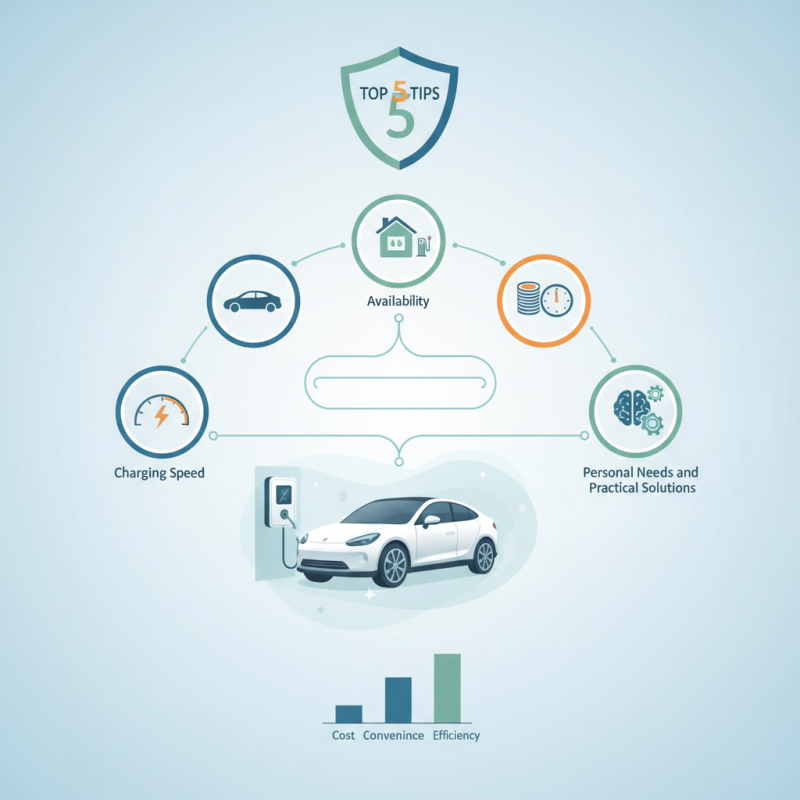
When selecting a vehicle charging pile, consider the charging speed, compatibility, and availability. Different models offer various features. A slower charger might save money but could limit convenience. Additionally, the location of the charging station impacts accessibility. Do you have space at home? Is public charging nearby? These questions matter.
Choosing the right vehicle charging pile is not just about technology. It's a blend of personal needs and practical solutions. You might feel overwhelmed, and that's okay. Reflect on what truly matters in your daily routine. Balancing cost, convenience, and efficiency is challenging.
Understanding Different Types of Vehicle Charging Piles Available
When selecting a vehicle charging pile, it’s essential to understand the various types available. Level 1 chargers, for instance, are the most basic. They plug into a standard outlet and are suitable for home use. However, they can be slow, taking up to 12 hours for a full charge. This might not be ideal for everyone. A Level 2 charger offers quicker charging, typically taking 4-6 hours. They require a dedicated 240V outlet and are often installed at homes or public spaces.
Fast chargers, often found at charging stations, deliver a significant boost in a short time. They utilize higher voltage for rapid charging, which suits those on the go. Yet, not all vehicles can handle these chargers. Always check vehicle compatibility to avoid frustration. It’s crucial to also consider charging networks. Different networks offer various features, including payment options and availability. Researching these can save time and hassle.
Ultimately, selecting the right charging pile hinges on your charging needs and habits. Evaluate your daily mileage and access to charging points. Reflecting on personal usage can guide your decision significantly. Finding the best fit might take time and exploration, but the right charger can enhance your electric vehicle experience.
Evaluating Charging Speed and Its Impact on Your Needs
When choosing a vehicle charging pile, evaluating charging speed is crucial. Different charging speeds cater to varying needs. For instance, a fast charger can restore significant battery life in a short time. This is ideal for those with busy schedules who need quick top-ups between errands.
Consider your driving habits. If you often travel long distances, a high-speed charging pile is beneficial. It allows you to charge your vehicle quickly during short breaks. However, if your daily commute is minimal, a standard charger may suit you just fine. You'll likely charge overnight, making speed less of a concern.
Think about the infrastructure in your area. Are fast chargers readily available? If not, investing in one might not be necessary. Research local charging stations and their speeds. This insight can help you make an informed choice. Reliability is key when selecting a charging pile. Long wait times at stations can disrupt your plans. Ensuring enough efficiency in charging will save you time and frustration in the long run.
Assessing Installation Requirements and Location Considerations
When assessing installation requirements for a vehicle charging pile, consider the space around the location. Is there enough room for a vehicle to park? Ensure there is safe access to the charging unit. Analyze if the area is well-lit and easily visible. Security is crucial; poorly lit areas may deter usage.
Next, evaluate the electrical setup. Check if your current electrical system can handle the charging pile. It may require an upgrade. Engage a professional to ensure proper installation and compliance with local regulations. This helps prevent safety hazards and technical issues that arise from improper installation.
Location considerations also hinge on user convenience. An ideal spot is close to entry and exit routes. This minimizes the hassle for users. However, too close to traffic can pose risks. It’s important to balance accessibility and safety, ensuring that the charging pile serves its purpose effectively without compromising security.
Considering Compatibility with Your Electric Vehicle Model
When selecting a charging pile for your electric vehicle (EV), compatibility with your specific model is crucial. Not all charging stations work seamlessly with every vehicle. According to the International Energy Agency, there are multiple EV types, each having unique charging requirements. Make sure to consult your vehicle's manual for compatibility details.
Different charging standards exist in the market. For instance, the Type 1 and Type 2 connectors are common in various regions. An industry report suggests over 70% of users experience improved charging efficiency when using the correct adapter. Yet, many still overlook this aspect. This could lead to slower charging times or, in worse scenarios, equipment damage.
Another point to consider is charging speed. Fast chargers typically provide higher kilowatt ratings. However, not every vehicle can handle these speeds. A mismatch can result in longer charging times or unnecessary wear on your car's battery. Choose wisely based on your EV’s specifications, and don't hesitate to seek expert advice if you’re uncertain.
Budgeting for Purchase and Long-term Usage Costs
When selecting the right vehicle charging pile, budgeting is crucial. The initial purchase price can vary significantly. It's important to assess your financial capabilities before making a decision. High-quality charging piles typically cost more but offer better long-term efficiency. Consider how this impacts your budget.
Long-term usage costs are another important factor. Maintenance, electricity, and installation can add up over time. Calculate these expenses to understand the overall financial commitment. A cheap charging pile might lead to higher utility bills due to inefficient charging.
It's also worth noting that technology evolves rapidly. A charging pile that seems reasonable now may become outdated soon. Reflect on your future needs and how they might affect your expenditure. Investing wisely ensures you get a reliable solution for years to come.
