Why Invest in Packaging Machinery for Your Business Growth?
Investing in packaging machinery can significantly transform your business operations. It enhances efficiency and reduces manual labor costs. Many companies still rely on outdated packaging processes, missing out on valuable opportunities. Upgrading to modern packaging machinery improves accuracy and speeds up production.
Moreover, packaging machinery is essential for maintaining product quality. Consistent packaging protects your goods from damage and enhances brand image. Consumers expect reliable packaging. Inadequate packaging may lead to unsatisfactory experiences and lost sales.
In an ever-evolving market, keeping pace with competitors is crucial. Automated packaging machines offer a competitive edge. However, careful consideration is required. Choosing the right machinery involves understanding your specific needs and potential return on investment. Without careful planning, businesses might end up with equipment that does not suit their requirements. Investing in packaging machinery can be a game changer, but it demands reflection and analysis.
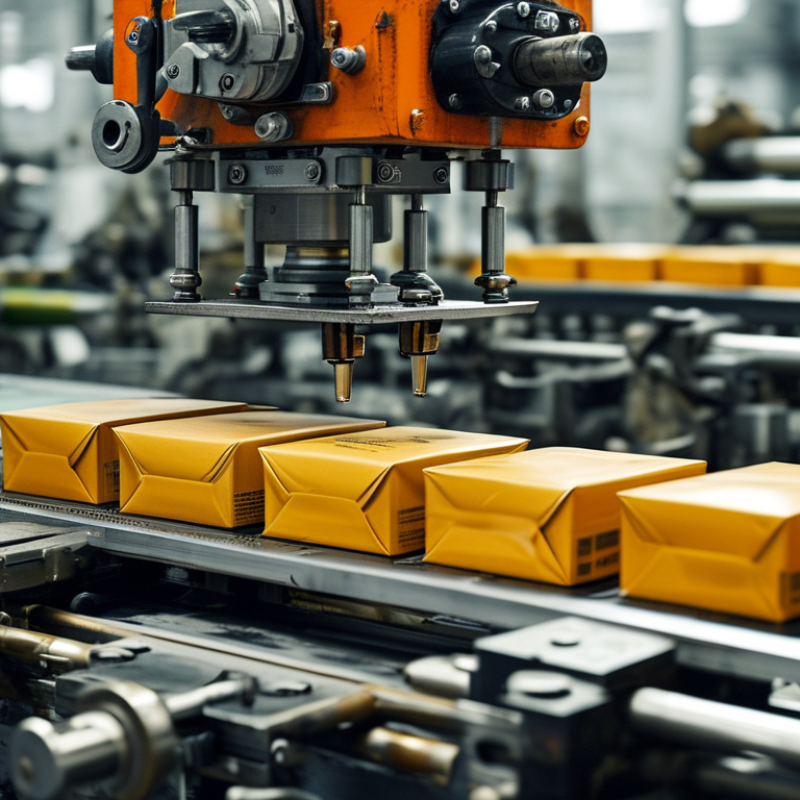
Understanding the Importance of Packaging in Business Growth
Packaging plays a crucial role in business growth. It goes beyond mere aesthetics. Effective packaging communicates brand value and attracts customers. Studies show that 72% of consumers say packaging design influences their purchase decisions. This statistic reflects the importance of standing out in a crowded market.
In the manufacturing sector, companies investing in advanced packaging machinery often see improved efficiency. Automation reduces labor costs and increases output. According to a report by Smithers Pira, the global packaging machinery market is expected to reach $50 billion by 2025. Businesses adapting to this growth can benefit from streamlined operations. However, many overlook the need to regularly assess their packaging strategy. This leads to missed opportunities for innovation.
Moreover, sustainable packaging is gaining traction. Consumers prefer brands that are environmentally conscious. Research from Nielsen indicates that 66% of global consumers are willing to pay more for sustainable products. Companies failing to embrace this trend may fall behind. Brands must continuously evaluate their packaging choices to align with consumer expectations and market trends.
Importance of Packaging Machinery for Business Growth
Key Benefits of Investing in Packaging Machinery
Investing in packaging machinery can be a pivotal move for your business growth. According to a report by MarketsandMarkets, the global packaging machinery market is projected to reach $53 billion by 2025. This growth underscores the importance of packaging in improving efficiency and market reach. Efficient machinery not only speeds up production but also enhances product presentation, which can influence consumer purchasing decisions significantly.
Automation is a major advantage. A study from The Association for Packaging and Processing Technologies found that automated packaging reduces labor costs by up to 30%. Furthermore, it minimizes human error. This reliability ensures consistent quality, fostering trust among customers. However, transitioning to automated systems can be challenging. Training staff and integrating new technologies may pose initial difficulties, but the long-term benefits can outweigh these hurdles.
Investing in advanced technologies also enhances sustainability. According to Smithers Pira, over 70% of consumers prefer eco-friendly packaging. Utilizing modern machinery allows businesses to adopt more sustainable practices, reducing waste and appealing to the growing environmentally-conscious consumer base. While there are upfront costs, the potential for increased efficiency and customer loyalty is substantial. Balancing these factors is key to maximizing your investment in packaging machinery.
Why Invest in Packaging Machinery for Your Business Growth? - Key Benefits of Investing in Packaging Machinery
| Benefit | Description | Impact on Business |
| Increased Efficiency | Automated processes reduce manual labor and speed up production. | Higher throughput leads to greater output and reduced labor costs. |
| Improved Product Quality | Consistent and precise packaging minimizes product damage and ensures quality. | Enhances customer satisfaction and reduces returns. |
| Cost Savings | Investing in machinery can lower packaging material waste and labor expenses. | Increased profit margins due to reduced costs. |
| Scalability | New machinery can be integrated as business needs grow. | Supports business expansion without significant downtime. |
| Enhanced Flexibility | Modern machines can handle various packaging formats and sizes. | Ability to adapt to market changes and customer preferences. |
Types of Packaging Machinery and Their Applications
Investing in packaging machinery can significantly enhance your business's efficiency and growth. Different types of packaging machinery serve diverse applications. For instance, filling machines are vital for industries such as food and beverage, where precise volume and hygiene are crucial. Similarly, labeling machines are essential for ensuring compliance and branding consistency.
The global packaging machinery market was valued at approximately $45 billion in 2022, with a projected growth rate of 4.5% annually. This growth reflects the importance of machinery in the supply chain. Automation is becoming a standard; businesses that adopt automated packaging solutions often see a reduction in errors and increased productivity.
Tip: When selecting packaging machinery, consider both current and future needs. Investing in scalable machinery can prevent costly upgrades later.
Case studies demonstrate that companies adopting advanced packaging systems report savings up to 30% in labor costs. However, selecting the right technology can be challenging. It demands a deep understanding of your specific product and market conditions. A misjudged investment can lead to excess inventory or increased operational downtime.
Tip: Regular training for staff on new machinery is essential. It minimizes misuse and maximizes efficiency.
Cost-Benefit Analysis of Packaging Machinery Investment
Investing in packaging machinery can significantly impact business growth. A cost-benefit analysis reveals that the initial expense may be justified by increased efficiency and reduced labor costs. Such machinery often leads to faster production times. This acceleration can enhance product turnover and improve market responsiveness.
Tips: Assess your production needs carefully. Speak with industry experts to identify the right machinery for your specific requirements. Keep an eye on maintenance costs, as they can influence long-term savings.
The benefits extend beyond mere numbers. Quality control can improve dramatically. Automated processes reduce human error, leading to fewer defects. Packaging equipment can also enhance product appeal, capturing customer attention on the shelf.
Tips: Consider investing in machinery that allows for customization. Look for flexible options to adapt to changing market demands. Analyzing competitor practices can also provide insights into effective packaging solutions.
Future Trends in Packaging Technology and Business Growth
The packaging industry is evolving rapidly. Advanced technologies such as automation and smart packaging are reshaping business strategies. Companies must understand these trends to stay competitive. Investing in the right packaging machinery is key for growth. It allows businesses to adapt quickly to market demands.
Smart packaging integrates IoT technology for real-time tracking. This innovation enhances supply chain efficiency and improves customer satisfaction. However, many businesses struggle with implementation. The initial costs can be daunting. This can deter companies from embracing these critical advancements. Moreover, training staff on new machinery is often overlooked.
Sustainable packaging solutions are also gaining traction. Consumers demand eco-friendly options. Businesses must meet these expectations to attract and retain customers. Yet, sourcing sustainable materials can be challenging. Companies must weigh cost versus environmental impact. To thrive, a balance between innovation and practical execution is essential.
