Blog

How to Choose the Best Electric Three Wheeler Cargo in 2026?

Choosing the best Electric Three Wheeler Cargo in 2026 requires more than comparing prices and battery sizes. Real cargo work exposes weaknesses quickly. A vehicle may look impressive in a showroom, yet struggle on steep streets, rough roads, or crowded market lanes. Carlos Ghosn, former automotive executive, once said, “The electric car is not a question of if, it’s a question of when.” His view remains useful, but electric cargo buying needs practical judgment.

This guide examines payload capacity, motor performance, battery chemistry, charging time, braking systems, and service support. A baker carrying warm bread needs stable storage and smooth acceleration. A delivery operator may need a tight turning radius, strong suspension, and reliable range after repeated stops. Advertised range can disappoint in rain, heavy traffic, or with a full load. That reality matters.

We will also consider total ownership cost, including electricity, maintenance, battery replacement, insurance, and downtime. Local technician access deserves attention. A cheaper model can become expensive when one controller fails and parts take weeks to arrive. No single Electric Three Wheeler Cargo suits every route. That is the uncomfortable part.

Some buyers may focus too heavily on brand reputation. Others may trust a large battery without checking charging limits. Both approaches can fail. The best choice comes from matching daily distance, cargo weight, road conditions, and working hours with verified specifications. Test the vehicle under realistic conditions, not only inside a dealership. Small details often decide long-term value.

How to Choose the Best Electric Three Wheeler Cargo in 2026?

What Is an Electric Three-Wheeler Cargo Vehicle in 2026?

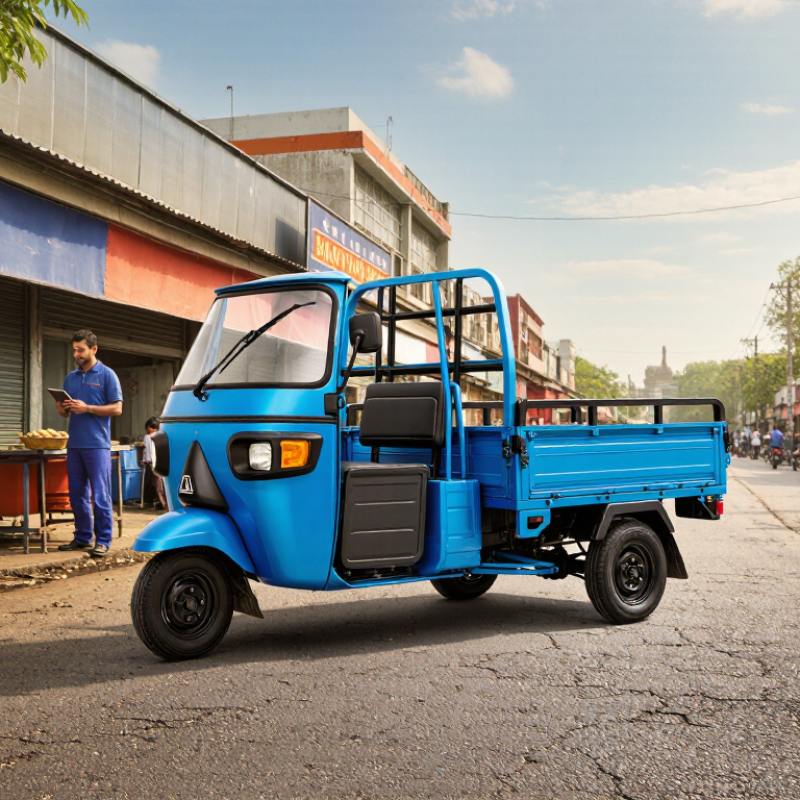
An electric three-wheeler cargo vehicle in 2026 is a battery-powered work vehicle with two front wheels or two rear wheels.

It carries goods without using a petrol or diesel engine. Most models include a flatbed, enclosed box, or adjustable cargo platform. A typical operator may transport groceries, tools, parcels, or market supplies through narrow urban streets.

The vehicle usually combines a lithium battery, electric motor, controller, hydraulic or mechanical brakes, and a reinforced cargo frame.

Battery capacity affects range, charging time, and payload performance. A fully loaded vehicle may climb slowly on steep roads, especially with a small motor. That detail is easy to overlook. In practical testing, check its behavior after several delivery stops, not only during an empty showroom drive.

The definition is not perfectly consistent across regions.

Local authorities may classify these vehicles by width, speed, weight, or passenger capacity. Buyers should verify registration rules, lighting requirements, braking standards, and permitted road access before purchase.

Safety also depends on weight distribution. Heavy boxes placed high can reduce stability during sharp turns.

I would measure the loading floor, inspect welds, test reverse visibility, and confirm battery protection against rain. A claimed range may decrease in cold weather, on hills, or under maximum load. That is normal, but it deserves honest planning.

How Should You Assess Cargo Needs and Operating Conditions?

Choosing the best electric three-wheeler cargo vehicle starts with the route, not the brochure. The IEA’s Global EV Outlook 2024 reported that electric three-wheelers represented over half of new three-wheeler sales in India in 2023. That growth reflects practical demand, but it does not guarantee suitability for every fleet.

Record daily payloads, package dimensions, stops, gradients, and waiting time. A vehicle carrying 400 kilograms on level roads may struggle on steep streets with frequent braking. Check usable battery capacity, not only the advertised figure. Range also falls with heavy loads, cold weather, tire pressure, and cabin equipment. Measure twice.

The International Transport Forum’s Transport Outlook 2024 highlights growing pressure on urban freight systems and limited curb space. Therefore, assess turning radius, body width, loading height, and access to charging points near actual routes. A compact cargo box may outperform a larger one when alleys and crowded markets dominate deliveries.

Ask for verified hill-climb and payload tests under realistic conditions. I would also reserve a range buffer of at least 20 percent, although this is not a universal rule. My earlier mistake was judging vehicles by maximum range alone. Stop frequency changed the result more than expected. Test the vehicle during the busiest shift, with the real cargo, before making a purchase.

How Do Battery, Motor, Range, and Payload Affect Performance?

When choosing an electric three-wheeler cargo vehicle in 2026, start with the work, not the advertised top speed. Battery capacity, measured in kilowatt-hours, sets usable energy for each shift. A larger pack can support heavier loads, but it also adds weight, cost, and charging time. Battery performance may drop in cold weather, so winter routes need extra reserve. Ask for tested capacity, not only the nominal figure.

The motor determines how confidently the vehicle moves from a stop. Torque matters on ramps, loose ground, and crowded delivery lanes. Rated power is useful, yet peak power can hide short-duration performance. During a practical trial, carry a realistic load and repeat hill starts. I once trusted an unloaded demonstration. The fully loaded vehicle felt noticeably slower.

Payload affects range, braking, tire wear, and stability. Include the driver, tools, packaging, and cargo when calculating total weight. Keep dense items low and near the center of the cargo box. A claimed 120-kilometer range may fall sharply with hills, stop-start traffic, heavy payloads, or underinflated tires. Record energy use over several routes instead of trusting one test. Leave a practical reserve for delays. A perfect estimate is unlikely. Check charging time, battery warranty terms, and service records before comparing vehicles.

How Battery, Motor, Range, and Payload Affect Electric Three-Wheeler Cargo Performance in 2026

This representative benchmark shows how larger batteries and motors generally increase usable range and payload capacity. Actual results vary with road gradient, speed, weather, tire pressure, cargo distribution, and driving style. A higher-capacity battery improves range, while motor power helps the vehicle maintain speed and climb hills under load.

Which Safety, Comfort, Durability, and Maintenance Features Matter?

Choosing the Best Electric Three Wheeler Cargo in 2026

Safety should come before carrying capacity. Check whether the frame stays stable during sharp, low-speed turns. Test the brakes with a full load, not an empty bed. Bright front and rear lights matter in rain, traffic, and early deliveries. A parking brake, reflective panels, and a clear driver view add practical protection. Make sure the battery has secure mounting and suitable weather resistance. Certification requirements vary by location, so verify local rules before purchase.

Tips: Measure your usual cargo first. Leave space for uneven loads. During a test ride, listen for rattling, delayed braking, or steering play. Small noises can become expensive problems.

Comfort affects safety during long working hours. Look for an adjustable seat, natural foot placement, and controls that remain visible while turning. A canopy can reduce heat and rain, but poor ventilation may create discomfort. Durability depends on more than thick metal. Inspect welds, suspension joints, tire quality, and bed drainage. Ask for documented battery testing, service intervals, and replacement-part availability. Written maintenance records are more reliable than confident sales claims. Still, no vehicle is maintenance-free. Dust, overloading, and neglected tire pressure shorten its working life. I would not choose the largest cargo rating automatically; a heavier structure may increase energy use and reduce maneuverability. That trade-off deserves an honest test.

How to Choose the Best Electric Three Wheeler Cargo in 2026? - Which Safety, Comfort, Durability, and Maintenance Features Matter?

Practical, brand-neutral comparison benchmarks for commercial electric cargo three-wheelers

Category Feature to Check Basic Acceptable Level Preferred Commercial Level Why It Matters How to Verify
Safety Braking system Front and rear brakes with a mechanical parking brake Independent front and rear braking, predictable stopping, and a parking brake that holds the loaded vehicle A fully loaded cargo trike needs stable braking on slopes and in wet conditions. Perform repeated stops with an empty and loaded vehicle; check for pulling, fade, or excessive lever travel.
Lighting and visibility Headlamp, tail lamp, brake lamp, reflectors, horn, and turn indicators LED lighting, clearly visible indicators, rear reflectors, and a bright brake lamp Improves detection by pedestrians and other road users during night and low-light delivery work. Check operation from the front, side, and rear; confirm local road-law compliance.
Frame and load security Steel or reinforced alloy frame with a fixed cargo bed Cargo sidewalls, tie-down points, anti-slip floor, and a load rating stated in kilograms Prevents cargo movement, uneven loading, and frame stress during frequent stop-and-go use. Inspect welds, hinges, latches, tie-down points, and the published payload rating.
Stability and suspension Stable three-wheel geometry and basic shock absorption Low center of gravity, matched suspension components, and controlled cornering when loaded Reduces rollover risk, cargo damage, and rider fatigue on uneven roads. Test turning, braking, and low-speed maneuvering with the intended payload.
Battery protection Battery management system with overcharge and over-discharge protection Protection against overcurrent, short circuit, overheating, and abnormal cell voltage Reduces thermal, electrical, and premature battery-failure risks. Request the battery and charger protection specifications and inspect the enclosure and connectors.
Weather and electrical protection Sealed connectors and protected wiring Water-resistant battery, controller, display, and charging connections A documented enclosure rating such as IP54 or higher for applicable components Limits corrosion and electrical faults caused by rain, dust, and road spray. Check the component rating documents; never pressure-wash electrical parts unless approved.
Comfort Rider ergonomics Padded seat, usable footboard, and adjustable mirrors Adjustable seat or handlebar position, upright posture, padded grips, and easy step-through access Good ergonomics reduce fatigue during long delivery shifts. Sit in the vehicle for at least 15 minutes and check reach to controls and visibility.
Ride quality Basic front or rear suspension Suspension matched to the rated payload, with controlled rebound and no bottoming out Protects the rider, cargo, frame, and battery from repeated road shocks. Ride over representative roads both empty and at normal operating load.
Controls and display Clear speed, battery, and lighting controls Readable display in direct sunlight, intuitive switches, reverse mode, and a battery warning indicator Reduces distraction and helps the operator manage range and vehicle status. Check readability in daylight and test every control while wearing normal work gloves.
Weather protection Roof or basic windshield Roof, windshield, wiper where needed, side curtains, and weather-resistant seat materials Helps maintain productivity and visibility in rain, heat, and cold weather. Inspect sealing, drainage, ventilation, and visibility from the seated position.
Noise and vibration Smooth motor operation without abnormal rattling Low vibration at cruising speed and securely mounted body panels and cargo components Improves rider comfort and helps reveal mechanical problems early. Listen during acceleration, braking, turning, and operation on rough surfaces.
Durability Payload and structural reserve Published payload rating suitable for the planned cargo Rated payload exceeds the normal daily load, with no permanent deformation after testing Operating continuously at the limit accelerates wear and reduces range. Compare the rated payload with actual cargo weight, passengers, tools, and accessories.
Battery chemistry and usable capacity Rechargeable traction battery with documented nominal voltage and capacity Lithium battery with documented cycle-life conditions, thermal protection, and replaceable modules where practical Battery aging directly affects range, uptime, and total ownership cost. Ask for nominal watt-hours, warranty terms, charging temperature limits, and replacement cost.
Motor and controller cooling Motor and controller sized for the rated load and gradient Stable performance after repeated starts, hills, and loaded operation without frequent thermal cutback Prevents power loss and protects drive components in demanding routes. Conduct a loaded hill and stop-start test; review thermal protection behavior.
Corrosion resistance Painted or coated frame and protected fasteners Powder-coated or treated frame, sealed bearings where suitable, and corrosion-resistant cargo hardware Important for coastal areas, wet climates, and vehicles exposed to road salt. Inspect welds, underside surfaces, fasteners, drainage points, and battery terminals.
Tyres and wheels Load-rated tyres with serviceable tubes or tubeless construction Commercial load-rated tyres, strong rims, accessible valves, and readily available replacement sizes Tyres influence braking, stability, range, and downtime. Confirm the tyre load index, recommended pressure, tread availability, and wheel alignment.
Maintenance Routine service access Accessible brakes, tyres, fuses, connectors, and lubrication points Service panels allow routine inspection without removing the cargo body or battery enclosure Faster servicing lowers labor time and vehicle downtime. Ask a technician to demonstrate a brake, tyre, fuse, and connector inspection.
Replacement parts Common tyres, brake parts, bulbs, fuses, and bearings Written parts list, published part numbers, and multiple qualified repair options Easy parts access protects uptime after the warranty period. Request a price and lead-time list for the top ten wear items.
Charging system Charger matched to the battery voltage and chemistry Documented charge time, automatic shutoff, ventilation guidance, and replaceable charging cable Reliable charging is essential for daily fleet utilization. Confirm input requirements, charging time, connector design, and workplace electrical capacity.
Diagnostics and fault reporting Basic warning lights or display fault codes Controller, battery, brake, and throttle diagnostics with a service procedure Speeds up troubleshooting and reduces unnecessary component replacement. Request the fault-code list, diagnostic tools, and technician training materials.
Warranty and support Written warranty covering the vehicle and major electrical components Separate coverage terms for frame, motor, controller, charger, and battery, with clear exclusions Clear support terms reduce financial risk and improve long-term planning. Check duration, mileage or cycle limits, claim process, labor coverage, and battery capacity thresholds.
Operating Value Real-world range Published range under stated test conditions Verified route range covers the planned daily distance with a practical reserve of about 15–20% Actual range changes with payload, speed, hills, temperature, tyre pressure, and rider behavior. Run a route test using the expected load, terrain, traffic, and weather conditions.
Payload-to-range balance Vehicle meets the minimum cargo requirement Cargo capacity and battery energy are matched to the route rather than selected by maximum payload alone Avoids buying excess capacity that increases purchase price, energy use, and tyre wear. Calculate daily cargo weight, distance, stops, gradients, and charging opportunities.
Energy consumption Energy use is stated in watt-hours or kilowatt-hours Energy consumption is measured on the intended route and compared with electricity tariffs Provides a more reliable operating-cost estimate than range alone. Record wall-meter energy used for a complete charge and divide it by route kilometres.
Total cost of ownership Purchase price plus charging and routine service costs Includes battery replacement, tyres, brakes, insurance, registration, downtime, and resale assumptions The lowest purchase price is not always the lowest lifetime cost. Compare a three-to-five-year ownership model using local prices and expected annual kilometres.
Selection rule: Prioritize verified payload, braking performance, battery protection, serviceability, and real-world route range before choosing cosmetic options or maximum speed.

How Can You Compare Total Cost and Select the Right Model?

How to Choose the Best Electric Three Wheeler Cargo in 2026?

Compare total cost, not sticker price. A practical fleet worksheet should include purchase cost, financing, electricity, insurance, maintenance, battery replacement, downtime, and resale value. The International Energy Agency reported that electric three-wheelers exceeded half of new sales in India in 2023. This shows strong adoption, but adoption does not guarantee profitability.

Measure daily payload, route distance, charging time, and road conditions. A vehicle carrying 500 kilograms may cost more but reduce trips and labor hours. Battery size also needs careful judgment. BloombergNEF reported an average lithium-ion battery pack price of 115 dollars per kilowatt-hour in 2024, down 20% from the previous year. Lower prices may reduce future replacement costs. However, battery life depends on heat, charging habits, load, and maintenance. That part is often underestimated.

Calculate energy cost per delivery. Use real electricity tariffs, not showroom estimates. Then compare maintenance intervals and the price of tires, brakes, controllers, and replacement batteries. Add the financial effect of charging delays. One lost delivery can erase several days of energy savings. I would also request verified range tests under full load. Laboratory figures can be optimistic. My own comparison would give reliability a higher value than a slightly lower purchase price. The cheapest model can become expensive when service access is weak.

Sources: IEA, Global EV Outlook 2024; BloombergNEF, Battery Price Survey 2024.