Essential Tips for Choosing the Right DC Isolation Switch?
Choosing the right DC Isolation Switch is critical for ensuring electrical safety and system reliability. According to a recent report by the International Electrotechnical Commission, improper switch selection can lead to operational failures in renewable energy applications. The market for DC isolation switches is expected to reach $1.1 billion by 2025, indicating significant growth and demand for reliable solutions.
Experts emphasize the importance of understanding the specific requirements of your electrical system. John B. Wilson, a leading specialist in electrical infrastructure, stated, "A DC Isolation Switch is not just a component; it's the guardian of your system." This highlights the central role these switches play in protecting equipment and personnel from electrical hazards.
Selecting the correct switch involves evaluating voltage ratings, current capacity, and environmental conditions. Many users still overlook these factors. This can lead to incorrect installations and safety issues down the line. Ensuring that you prioritize these details in your decision-making is essential for effective operations.
Understanding the Functionality of DC Isolation Switches
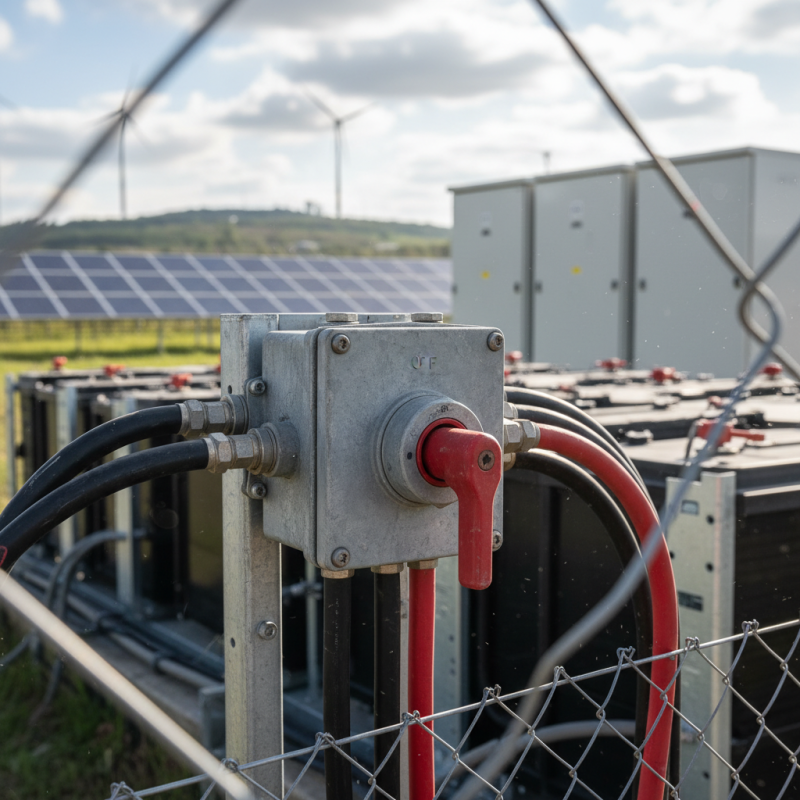
DC isolation switches play a vital role in renewable energy systems. They ensure safe operation during maintenance. Understanding their functionality helps in selecting the right switch for your needs. Designed to interrupt direct current, these switches prevent backflow and manage electrical faults. Reports show a rising demand for such devices. The global DC switch market is projected to grow by 8% annually over the next five years.
Choosing the right DC isolation switch requires careful consideration. Look for specifications that match your system voltage. Check the current rating; it should exceed your system’s needs. Don’t overlook the environmental factors, like temperature and humidity. These can affect switch performance. Remember, selecting a poorly rated switch may lead to system failures.
Tips for selecting include identifying your specific application. Consider the installation location carefully. Indoor locations may require different specifications than outdoor setups. Prioritize quality and reliability over cost; cheaper options may fail sooner. Lastly, always refer to industry standards for guidance. Documented best practices can provide insights into your choice. Keep these factors in mind to enhance system safety and efficiency.
Factors to Consider When Selecting a DC Isolation Switch
When selecting a DC isolation switch, several factors require careful consideration. First, the voltage and current rating are crucial. Industry reports indicate that improper ratings have led to 25% of system failures in renewable energy installations. Ensuring the switch meets the specific demands of the application is vital. An under-rated switch could fail, leading to costly downtime.
The switch’s design and operating environment must also be examined. Many switches operate at different temperature ranges. Reports highlight that operating outside these ranges can reduce the lifespan by 30%. Additionally, protection against environmental factors such as dust and moisture is essential. Without proper protection, even high-quality switches can malfunction.
Ease of maintenance is another key aspect. Some switches require regular inspections to ensure they function correctly. Studies show that these inspections are often overlooked, which can jeopardize system reliability. Finding a switch that balances durability and maintenance needs is often overlooked but critical. Ultimately, the right DC isolation switch is integral to achieving a reliable and efficient energy system.
Evaluating Voltage and Current Ratings for Your Needs
Choosing the right DC isolation switch requires careful evaluation of voltage and current ratings. Voltage ratings are critical for ensuring safety and efficiency. Commonly, switches are rated between 250V to 1000V. Understanding your specific voltage needs can prevent equipment failure and reduce risks. According to industry reports, over 20% of electrical equipment failures are linked to improper voltage ratings.
Current ratings also play a key role. A switch must handle the peak currents without overheating. The typical current ratings for many applications range from 10A to 800A. For instance, a switch rated at 100A should only be used for circuits where the current does not exceed that limit. Failure to adhere to this can lead to device damage or even fire hazards.
It's essential to consider environmental factors as well. Humidity and temperature can affect performance. Some switches may perform poorly in extreme conditions. Understanding how these factors influence a switch's ratings can help in making a more informed choice. Always refer to detailed industry guidelines when selecting a switch. Reflecting on these aspects can ensure a reliable and safe electrical system.
Essential Tips for Choosing the Right DC Isolation Switch
This chart provides a visual representation of common ratings for DC Isolation Switches, including voltage ratings of 600V, current ratings of 100A, typical body materials, and safety classes recommended for various applications.
Safety Standards and Certifications for DC Isolation Switches
When selecting a DC isolation switch, safety standards and certifications are crucial. These switches must comply with international safety standards, such as IEC 60947-3 and UL 508. These standards govern the manufacturing processes and functional testing of electrical components. Adhering to these guidelines ensures reliability and safety in various applications, including renewable energy systems.
The importance of certifications cannot be overstated. According to a recent industry report, systems compliant with recognized certifications reduce incidents by over 30%. Customers often overlook this aspect while making their choices. It’s not just about functionality; it is about trust. A certified switch signals quality and reliability. Non-compliant devices might seem cheaper, but they carry significant risks.
In practice, ensure that the switch has the right IP ratings as well. For instance, a switch with an IP65 rating can withstand dust and water exposure. However, in some installations, users might choose parts without evaluating their environmental conditions. Such oversights can lead to equipment failure or safety hazards. Understanding these safety certifications is essential for making informed decisions.
Essential Tips for Choosing the Right DC Isolation Switch
| Feature | Importance | Recommended Standards | Certification Bodies |
| Voltage Rating | Critical for system compatibility | IEC 60947-3 | TÜV, UL |
| Current Rating | Ensures safe operation | IEC 60947-3 | TÜV, UL |
| Temperature Rating | Affects performance in environmental conditions | IEC 60068-2-1 | ISO, CE |
| Physical Size | Compatibility with existing installations | N/A | N/A |
| User Safety Features | Protects users from accidental operations | IEC 61010 | IEC, UL |
| Environmental Ratings | Protection against environmental hazards | IP66, NEMA 4X | NEMA, UL |
Installation and Maintenance Tips for Optimal Performance
Choosing the right DC isolation switch is only the first step. Proper installation is crucial for its performance. Ensure the area is dry and clean before installation. This helps avoid corrosion and electrical issues. Check all terminal connections thoroughly. Loose connections can cause arcing, which leads to hazards.
Maintenance is another key aspect. Regularly inspect the switch for wear and tear. Dust and moisture can accumulate over time, affecting functionality. A simple wipe down can go a long way. Remember to check for discolored insulation. This may indicate overheating. Address such issues promptly to prevent failures.
Make sure to label all connections clearly. Clarity helps during troubleshooting. It’s important to remain cautious during maintenance. Sometimes, familiar routes lead to oversights. Take your time to ensure everything is in order. Forgetting details can lead to costly mistakes. Prioritize safety and keep the switch's manuals handy for reference. Small actions today ensure reliability tomorrow.
