Tips for Operating a Liquefaction Plant Effectively?
Operating a Liquefaction Plant effectively is crucial in today's energy sector. According to a report by the International Energy Agency (IEA), liquefied natural gas (LNG) demand is projected to grow by 4% annually through 2025. This highlights the increasing importance of efficient operations in liquefaction facilities.
To achieve optimal productivity, it’s essential to focus on streamlined processes and technology enhancements. Failure to do so may lead to significant financial losses. In fact, inefficient plants incur costs that may exceed operational budgets by up to 15%. These figures indicate that inefficiencies can severely impact profitability.
Training staff on advanced operational tactics is equally vital. A 2022 industry study found that plants with well-trained employees can improve output by 25%. However, underestimating the human factor in plant operations can result in oversights, emphasizing the need for ongoing training programs and evaluations. In the evolving LNG market, neglecting such details can be detrimental.
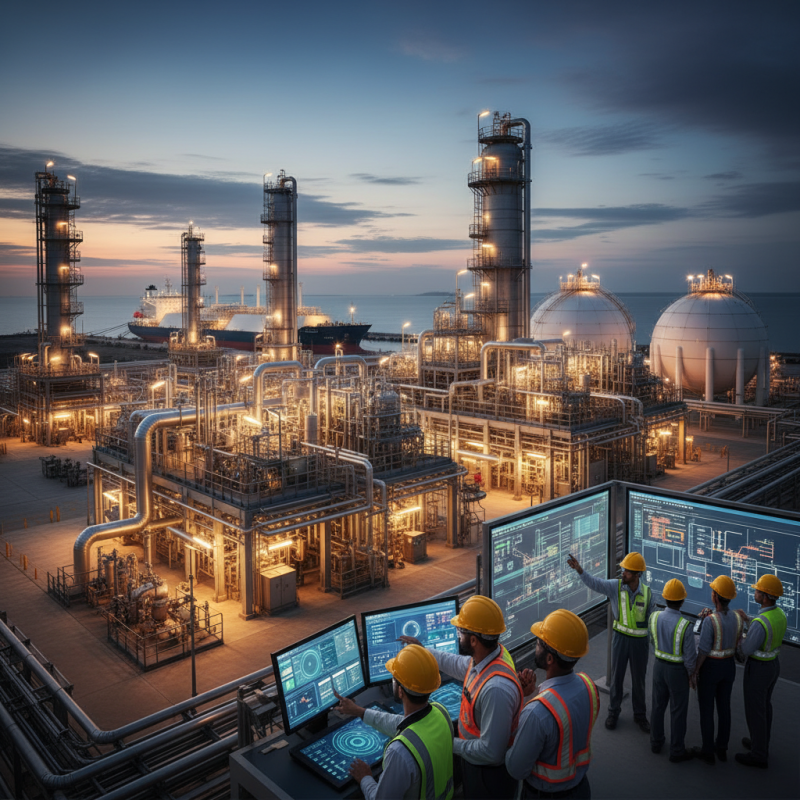
Understanding the Basics of Liquefaction Plant Operations
Operating a liquefaction plant requires a solid understanding of its core functions. The process involves converting gas into liquid form for easier storage and transportation. Key aspects include efficient operation, safety protocols, and maintenance routines. A skilled team is essential as they manage daily activities and troubleshoot issues.
One effective tip is to ensure regular training for employees. This keeps them updated on new technologies and safety measures. Incorporating hands-on learning can drastically improve their skills. Another suggestion is to monitor equipment performance closely. Regular audits can help identify potential issues before they escalate.
Attention to detail is critical in this industry. The smallest error can lead to significant issues. Reflect on past operations; could there have been improvements? Regular meetings can foster a culture of continuous improvement. Encourage feedback and be open to new ideas. This ensures the plant runs smoothly and efficiently.
Tips for Operating a Liquefaction Plant Effectively
| Operational Aspect | Tips | Frequency | Responsible Party |
| Regular Maintenance | Schedule maintenance checks to prevent breakdowns. | Monthly | Maintenance Team |
| Training | Provide ongoing training for staff on safety protocols. | Quarterly | HR and Operations |
| Performance Monitoring | Regularly review performance metrics to optimize processes. | Weekly | Operations Manager |
| Supply Chain Management | Ensure timely procurement of raw materials to prevent delays. | Continuous | Procurement Team |
| Quality Control | Implement strict quality checks at various stages of production. | Daily | Quality Assurance |
| Energy Efficiency | Invest in energy-efficient technologies to reduce costs. | Annually | Engineering Team |
Key Safety Protocols for Operating a Liquefaction Plant
Operating a liquefaction plant requires strict attention to safety protocols. According to a report by the International Gas Union, safety incidents can be reduced by 30% with proper training and adherence to guidelines. This statistic highlights the importance of continuous education for all staff, ensuring that everyone understands their roles and responsibilities.
Emergency response plans must be regularly updated and tested. Regular drills can prepare the team for potential incidents, such as leaks or equipment failures. The American Society of Mechanical Engineers states that facilities with active safety drills report fewer emergencies. Practicing these scenarios helps build team confidence and preparedness, which is crucial in high-pressure situations.
Paying close attention to equipment maintenance retains system integrity. Many accidents occur due to neglecting regular checks. A study from the Energy Information Administration reveals that 40% of operational failures stem from poor maintenance. As faults can evolve into serious hazards, it is vital to implement a diligent maintenance schedule. This practice not only protects personnel but also enhances plant efficiency.
Optimizing Equipment Efficiency in Liquefaction Processes
Optimizing equipment efficiency in liquefaction processes is crucial for sustainability and cost-effectiveness. According to recent industry reports, optimizing machinery can improve energy use by up to 30%. Reducing energy consumption not only cuts costs but also decreases CO2 emissions, supporting global environmental goals.
Regular maintenance of compressors and heat exchangers is essential. Neglected equipment can lead to inefficiencies, increasing operational costs. Reports indicate that even minor wear can reduce efficiency by 10-15%. This drawback is common, yet often overlooked. Training staff to monitor equipment frequently can mitigate these issues. Incremental improvements in employee knowledge can lead to significant overall gains.
Implementing advanced monitoring technologies is another potential route. Sensors and data analytics can identify inefficiencies in real time. However, the initial investment can be significant. Balancing short-term costs with long-term gains requires clear foresight. Some companies find themselves hesitant, fearing the upfront costs outweigh potential savings. A careful cost-benefit analysis may reveal that these technologies can pay for themselves within months.
Maintaining Compliance with Environmental Regulations
Operating a liquefaction plant demands strict adherence to environmental regulations. Recent reports show that non-compliance can lead to significant penalties, sometimes exceeding millions of dollars. For instance, the Environmental Protection Agency (EPA) documented fines of over $250 million across various industries for violations in one year alone. This highlights the expensive repercussions of neglecting regulatory standards.
Regular monitoring of emissions is vital. Many liquefaction plants struggle to meet set limits. In 2022, a study indicated that 40% of plants exceeded allowed greenhouse gas emissions. This not only damages the environment but also jeopardizes community trust. Implementing transparent reporting practices can enhance compliance and accountability.
Furthermore, training staff is often overlooked. A well-informed team can make a difference. Many plants lack adequate training on new regulations. Continuous education can improve understanding and reduce the number of violations. Investing in training may seem costly initially, but it is crucial for long-term compliance and sustainability.
Training and Skill Development for Plant Operators
Training and skill development are crucial for effective operation in a liquefaction plant. Operator training should be hands-on, with a focus on real-world scenarios. This allows operators to understand equipment functionality and troubleshoot issues. Simulations can provide invaluable experience. Operators can practice their responses to various challenges without risking safety.
Continuous learning is vital. Technology and processes evolve rapidly. Regular workshops and refresher courses help keep operators updated. Mentorship programs can foster knowledge sharing. Experienced operators can guide newcomers, ensuring they learn industry best practices. This nurtures a culture of safety and efficiency.
Reflecting on past operations is equally important. Operators should evaluate their decision-making and performance. Did they handle situations effectively? Were there moments of hesitation? Learning from these experiences can lead to improved strategies. Engaging in team discussions can further enhance collective understanding. This openness can drive innovation in operational processes.
