How to Choose the Right DC Charging Connector for Your Needs?
As the electric vehicle (EV) market expands, choosing the right Dc Charging Connector becomes vital for consumers and businesses alike. According to a report by the International Energy Agency (IEA), global EV sales reached 6.6 million in 2021, a remarkable increase of 108% from the previous year. This surge emphasizes the need for efficient charging solutions, making the selection of a suitable connector more critical than ever.
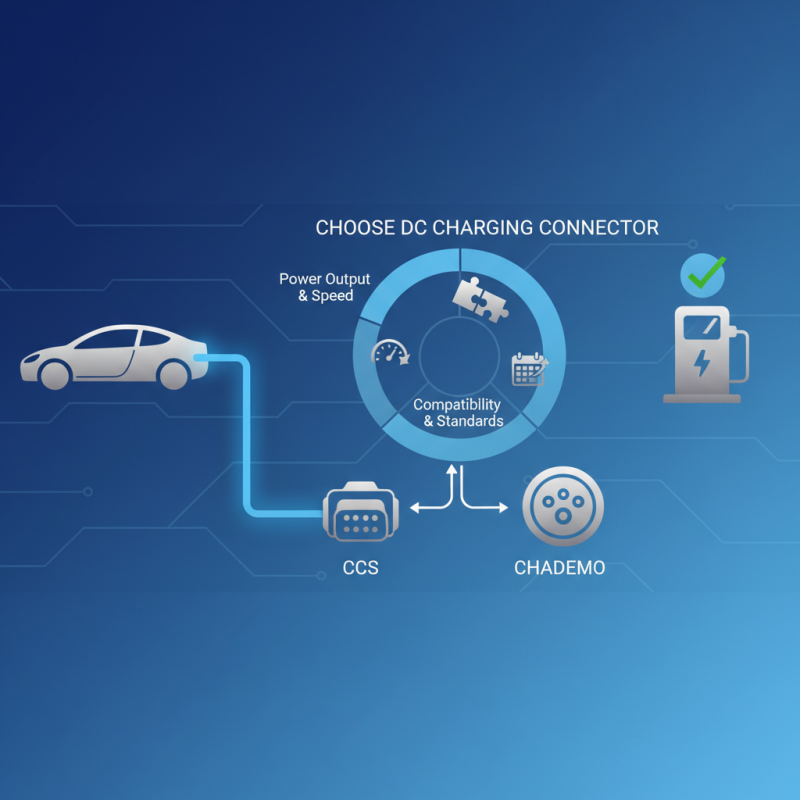
DC Charging Connectors vary in power output, compatibility, and charging speed. The CCS (Combined Charging System) and CHAdeMO are among the most widespread options available today. Industry insights suggest that over 80% of public fast charging stations utilize CCS connectors. However, not all connectors are created equal. Selecting the wrong connector can lead to longer charging times or, worse, equipment damage.
Reflecting on usability, consumers often overlook the importance of connector type. A simple choice can impact daily routines and vehicle performance. Industry standards evolve quickly, making it crucial to stay informed about the latest developments. The right DC Charging Connector should align with personal needs, vehicle specifications, and future technology trends. Understanding these factors is imperative in today’s rapidly changing market.
Understanding DC Charging Connectors: An Overview
DC charging connectors play a crucial role in the growing electric vehicle market. An understanding of different types of connectors is vital. They vary in design, power capacity, and application. Knowing the specifics can significantly enhance charging efficiency and safety.
Common DC charging standards include CCS (Combined Charging System), CHAdeMO, and Tesla’s proprietary connectors. CCS connectors are widely recognized for their versatility. They are used across many electric vehicle brands. CHAdeMO is popular in Japan, particularly with Nissan vehicles. Tesla has its own specifications, designed for its unique ecosystem. Each connector serves different needs, but their compatibility can sometimes pose challenges.
With rapid technological advances, connectors are evolving. Future developments may bring improvements in speed and compatibility. However, users often must navigate a complex landscape of options. Making the right choice requires careful consideration of vehicle compatibility and charging infrastructure. A mismatched connector can lead to frustrating experiences. Evaluating your needs realistically helps you avoid potential pitfalls.
Types of DC Charging Connectors Available on the Market
When selecting a DC charging connector, understanding the types available is crucial. There are three main types of DC connectors: CHAdeMO, CCS (Combined Charging System), and Tesla connectors. Each has its unique features, benefits, and limitations. For instance, CHAdeMO is often favored in Japan. It's compatible with several Japanese EV models. However, it may not be universally supported in other regions.
CCS combines AC and DC charging capabilities, making it adaptable. This type is increasingly popular in Europe and North America. It offers faster charging times, which can significantly reduce waiting periods. The challenge lies in its compatibility with various EV models. Knowing your vehicle's requirements is essential for making the right choice.
Tesla connectors are exclusive to Tesla vehicles. They provide a streamlined charging experience for Tesla users. Nonetheless, they limit options for drivers with other EVs. Assessing the network and charging station availability in your area can influence your decision. Ensuring that your selected connector aligns with your local infrastructure is vital. Ultimately, the right connector not only enhances your charging experience but also contributes to the growth of EV adoption.
How to Choose the Right DC Charging Connector for Your Needs?
| Connector Type | Voltage Rating | Current Rating | Common Applications | Charging Speed |
| CHAdeMO | 500 V | 125 A | Nissan Leaf, Mitsubishi Outlander | Up to 62.5 kW |
| CCS (Combined Charging System) | 1000 V | 350 A | Various EVs from multiple manufacturers | Up to 350 kW |
| GBT | 750 V | 250 A | Chinese electric vehicles | Up to 125 kW |
| Tesla Supercharger | 480 V | 250 A | Tesla vehicles | Up to 250 kW |
Factors to Consider When Choosing a DC Charging Connector
Choosing the right DC charging connector involves several key factors. Compatibility with the vehicle is crucial. Different electric vehicles (EVs) use various connectors, such as CCS, CHAdeMO, and Tesla. According to industry reports, over 60% of global DC fast charging infrastructure supports CCS. This makes it a popular choice.
Power rating is another vital consideration. Connectors support different power levels, typically ranging from 50 kW up to 350 kW. Selecting a connector that meets your vehicle’s charging capability ensures efficiency. Insufficient power can lead to longer charging times.
Tip: Always check your vehicle's specifications to determine the suitable connector type and power level.
In addition, installation site conditions play a role. Factors like temperature and humidity can affect connector performance. A connector may need specific weatherproofing features, especially in harsh environments. Not all connectors are designed for extreme weather.
Tip: Evaluate the local climate and environment before making a decision.
Reflecting on these aspects can be enlightening. Choices may lean toward short-term convenience rather than long-term suitability. Always prioritize future needs and advancements in EV technology.
Compatibility with Electric Vehicle Models and Charging Infrastructure
When selecting a DC charging connector, compatibility is key. Different electric vehicle (EV) models use various connector types. Understanding these differences can save time and ensure efficient charging. It's easy to overlook compatibility when choosing a connector, but doing so can lead to frustration at charging stations.
Each EV manufacturer may adhere to specific standards. For example, some use CCS (Combined Charging System) while others might prefer CHAdeMO. Before investing, check which connectors are compatible with your vehicle. Research where you plan to charge. Many locations offer multiple connector types, but not all do. It's crucial to identify the infrastructure in your area.
Some users report challenges with less common connectors. They find themselves searching for compatible chargers in unfamiliar places. This reflects the importance of planning ahead. Review your EV’s manual or online resources for clarity on these connectors. This proactive approach can make the difference between a smooth or stressful charging experience. Ignoring these details may result in inconvenient delays.
Always account for local charging options in your decision-making.
Future Trends and Innovations in DC Charging Connectors
The world of DC charging connectors is evolving rapidly. As electric vehicle (EV) adoption increases, the demand for efficient and adaptable charging solutions is on the rise. A recent report from the International Energy Agency (IEA) projects that by 2030, there will be over 300 million EVs on the roads. This shift requires connectors that can meet varying charging speeds and vehicle compatibility.
Emerging trends show a push for standardized connectors. The industry's drive for interoperability reflects the need for a seamless user experience. A significant percentage of charging stations still utilize proprietary systems, leading to frustration among users. This inconsistency may hinder widespread EV adoption, which highlights the need for a unified approach. Innovations like ultra-fast charging capabilities are being developed, promising to reduce charging time drastically. However, as we embrace these advancements, concerns about infrastructure and costs remain.
Another noteworthy trend is the integration of smart technology. Advanced connectors now provide real-time data on charging status and energy consumption. Systems that can adjust power delivery based on vehicle capacity are gaining traction. Yet, many infrastructure projects face delays and budget constraints, which complicate deployment. Users often find themselves trapped in a cycle of outdated technology, making it essential to balance innovation with practical implementation. This landscape promises both exciting advancements and critical challenges, urging stakeholders to remain vigilant.
Future Trends in DC Charging Connectors
This chart illustrates the projected growth in the adoption of various DC charging connectors based on recent trends and innovations in the electric vehicle market.
