How to Choose the Right Photovoltaic Connectors for Your System?
Choosing the right Photovoltaic connectors is essential for any solar power system. With global solar energy capacity exceeding 840 GW in 2022, these connectors play a crucial role in system efficiency. According to the International Renewable Energy Agency (IRENA), improper connector selection can lead to up to a 5% loss in energy yield.
Photovoltaic connectors ensure reliable power transmission and durability. They withstand weather elements, ensuring long service life. However, many buyers overlook key specifications, such as current rating and voltage capacity. This oversight can lead to system failures and increased maintenance costs.
Without a doubt, selecting appropriate photovoltaic connectors requires careful consideration. Many vendors offer various options that may not always meet the necessary standards. In a rapidly evolving industry, it is crucial to keep abreast of the latest technological advancements. Reflecting on common mistakes made during selection can guide future improvements and optimize overall performance.
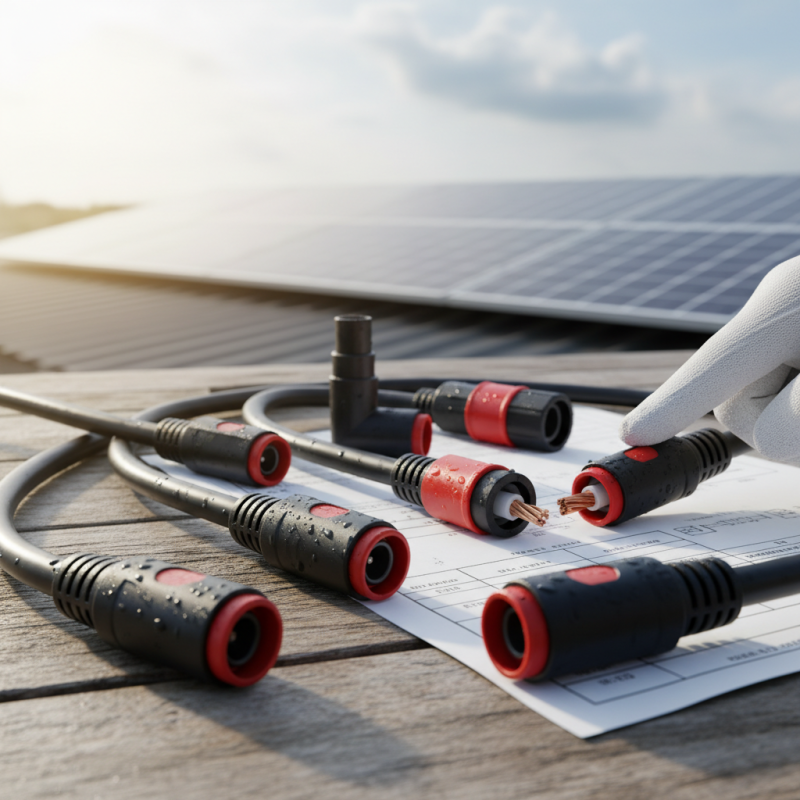
Understanding Photovoltaic Connectors and Their Importance
Photovoltaic connectors are crucial for the efficient operation of solar energy systems. Without reliable connectors, energy loss can occur. These components link the solar panels to the inverter and battery systems, ensuring safe and effective electricity transfer.
When selecting connectors, consider their durability and weather resistance. Look for materials that can withstand harsh conditions. Inappropriate choices may lead to failures. Check the ratings, as incompatibility with voltage or current levels can cause issues.
Tips for selection: Always match connectors with panel specifications. Avoid connectors that feel flimsy. Quality materials matter. Think about future system expansions. Choosing versatile connectors can save time and money later on.
Another point to reflect on is installation. Improperly secured connectors can lead to water ingress, creating potential hazards. Regular checks can prevent small problems from escalating into major failures. Stay proactive for a thriving solar setup.
Types of Photovoltaic Connectors Used in Solar Systems
When selecting photovoltaic connectors for solar systems, it’s essential to understand the various types available. The most common types include MC4 connectors, H4 connectors, and the newer design of push-in connectors. MC4 connectors are widely recognized for their robustness and weather resistance. They can handle high currents and are often favored due to their reliability. H4 connectors are emerging as a good option, providing a compact design suitable for tight spaces. Push-in connectors take convenience to another level, allowing quick connections and reducing installation time.
Tips: Choose connectors that meet your system’s voltage and current ratings. Always check compatibility with your solar panels and inverters.
Additionally, research shows that the global market for photovoltaic connectors is growing rapidly. According to a recent industry report, the demand for these connectors is expected to increase by 10% annually. This growth emphasizes the need for quality and compatibility in your selections. Some users overlook the impact of connector quality on overall system efficiency. A poor connection can lead to energy losses of up to 5%.
Tips: Consider the environmental factors where the system will be installed. High temperatures or moisture can damage connectors over time. Always aim for certified products to ensure durability.
Types of Photovoltaic Connectors Used in Solar Systems
Key Factors to Consider When Choosing Photovoltaic Connectors
When choosing photovoltaic connectors, key factors play a critical role. One must consider environmental conditions. High humidity, dust, and temperature fluctuations can impact connector performance. For instance, connectors deemed IP68 rated perform better in harsh climates. A study indicated that over 30% of system failures stem from poor connector sealing.
Another crucial aspect is the current rating. Most systems require connectors rated for at least 30A. However, future system expansions may necessitate higher ratings. Misjudging this can lead to overheating and energy loss. Data shows that improperly rated connectors can reduce energy efficiency by 20% or more.
Material quality cannot be overlooked. Connectors made from high-quality copper ensure better conductivity. They also resist corrosion, prolonging service life. Reports reveal that connectors with subpar materials fail 25% sooner than those made with superior specifications. Careful selection is vital for long-term performance. Each decision impacts efficiency and reliability in photovoltaic systems.
Compatibility: Matching Connectors with Your Solar Equipment
When selecting photovoltaic connectors, compatibility is key. The connectors must match your solar panels and inverters seamlessly. Check the specifications of each component. Not all connectors are made the same. A mismatch can lead to inefficiencies or even system failures.
Different systems use various connector types. Some may be rated for higher voltages or currents. Choose connectors that can handle your system’s power requirements. It’s important to consider the environment too. Corrosive elements and extreme temperatures can impact connector performance.
Installation is another critical factor. Ensure that you can connect and disconnect them easily for maintenance. This can save time and prevent damage. Sometimes, connectors look similar but are not interchangeable. Always double-check before making a purchase. Compatibility ensures reliability and longevity in your solar setup. Take the time to understand what you need.
Installation Considerations for Photovoltaic Connectors
When installing photovoltaic connectors, several considerations come into play. First, ensure the connectors you select can withstand various environmental conditions. They should be UV-resistant and weatherproof to last longer. Pay attention to the specific site conditions too. Locations exposed to extreme temperatures or humidity require connectors designed for those challenges.
Tips: Always check the temperature rating. This rating indicates how well connectors perform in high heat or cold. A mismatch can lead to failures.
Cable compatibility is another crucial factor. Connectors must align with the cables used in your system. Mismatched connectors can create resistance, leading to energy losses. Additionally, consider how easy it is to install them. Complex connectors can increase installation time and lead to mistakes.
Tips: Test fit connectors before finalizing your choice. Small variations can greatly affect the connection quality. Always review product specifications carefully, as this can prevent future issues.
Lastly, don't overlook proper strain relief. Ensuring a secure connection prevents excessive tension that could damage the wires. A little planning can make installation smoother and more effective. Reflect on your choices, and adapt as needed. Not everything will go perfectly, but learning from challenges is part of the process.
How to Choose the Right Photovoltaic Connectors for Your System? - Installation Considerations for Photovoltaic Connectors
| Connector Type | Current Rating (A) | Voltage Rating (V) | Temperature Range (°C) | Material | Water Resistance Rating |
| MC4 | 30 | 1000 | -40 to 90 | Polycarbonate | IP67 |
| H4 | 35 | 1500 | -40 to 85 | PBT | IP68 |
| TUV | 28 | 1000 | -40 to 90 | PVC | IP64 |
| SolarLok | 32 | 1000 | -40 to 85 | PA | IP67 |
