Top Tips for Choosing a Multi Parameter Water Quality Analyzer at Canton Fair?
Choosing a multi parameter water quality analyzer can be a daunting task. At the Canton Fair, the sheer number of available options can overwhelm buyers. However, understanding the key factors can simplify the process. It's crucial to identify the specific parameters you need to monitor. Look for features such as accuracy and reliability in measurements.
The 139th Canton Fair introduces advanced technologies like AI. This enhances the purchasing experience significantly. AI helps buyers quickly filter suppliers based on certifications like ISO and CE. Such tools can save time and improve decision-making.
Buyers often overlook the importance of post-purchase support. Analyze the warranty options and customer service quality offered by suppliers. A cheaper analyzer may cost more in the long run if support is lacking. Ensure you engage with potential vendors. Ask questions and seek information that clarifies doubts. This approach leads to better outcomes while choosing the right multi parameter water quality analyzer.
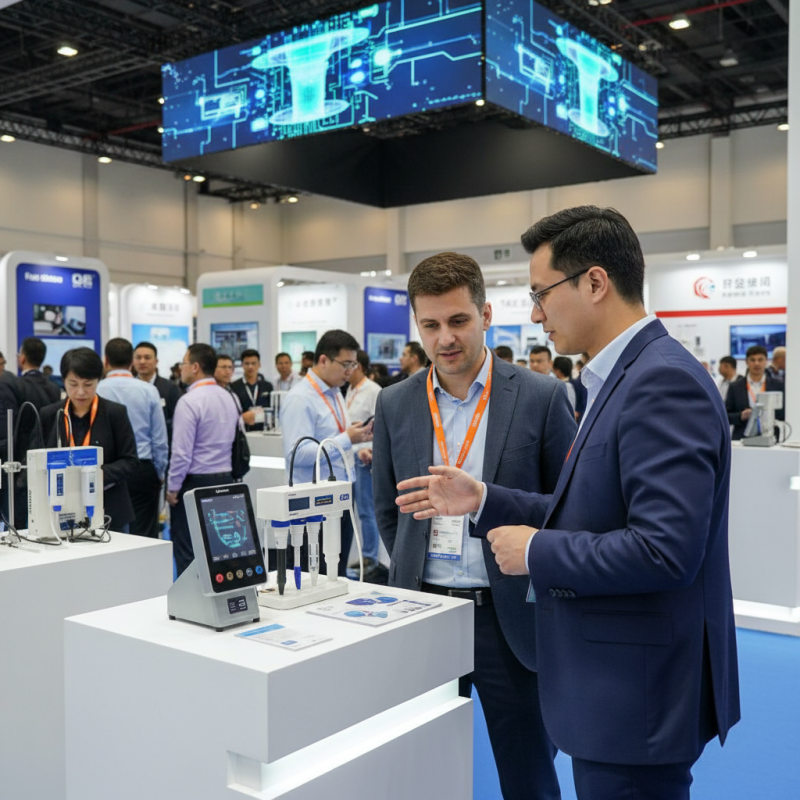
Understanding the Importance of Multi Parameter Water Quality Analyzers
Multi Parameter Water Quality Analyzers play a crucial role in ensuring water safety and environmental health. These devices measure various parameters, including pH, turbidity, and dissolved oxygen levels. According to a recent industry report, approximately 70% of water bodies globally suffer from pollution, emphasizing the need for effective monitoring tools. Regular testing helps identify contamination sources, offering critical data for remediation efforts.
When selecting a multi-parameter analyzer, consider accuracy and reliability. Look for devices with a proven track record in diverse conditions. Additionally, assess ease of use. An analyzer that is difficult to operate can lead to inconsistent results. Choose equipment that offers user-friendly interfaces and comprehensive manuals.
Another tip is to prioritize calibration capabilities. Depending on the application, frequent calibration may be necessary. Devices that allow easy recalibration will save time and ensure precise measurements. Always remember that poor performance can lead to misleading data, ultimately compromising water quality assessments. Explore options that support long-term data logging as well. This feature helps track changes over time, providing insights into trends and potential issues.
Key Features to Look for in Water Quality Analyzers
When selecting a multi-parameter water quality analyzer, consider key features that significantly impact its functionality. Firstly, look for devices that can measure parameters like pH, turbidity, dissolved oxygen, and conductivity. A report from the International Water Association indicates that monitoring these parameters can help ensure compliance with water quality standards. It's crucial to have reliable data for maintaining ecosystem health.
Another important feature is the analyzer’s ease of use. Devices with intuitive interfaces and simple calibration processes tend to be preferred. Many users report frustration with complex setups. A user-friendly design reduces the learning curve and minimizes errors in data collection. Moreover, portability can be a game changer. Portable devices allow for field testing, which is essential in remote locations.
Finally, consider the device's connectivity options. An analyzer with wireless capabilities can streamline data sharing. In a study by Water Research, 45% of professionals highlighted the importance of live data monitoring in decision-making. Analyzers that integrate with software solutions can provide real-time updated analysis, which is vital for effective water management strategies. These features not only enhance usability but also ensure comprehensive monitoring of water quality.
Evaluating Brand Reputation and Customer Support
When choosing a multi-parameter water quality analyzer, brand reputation matters significantly. Reliable companies often provide consistent quality. Look for feedback on their products. Reviews can reveal how well a brand’s analyzers perform in real-world conditions. Reputation affects your purchase confidence. A brand with a solid standing often translates to better reliability.
Customer support is equally essential. Test their responsiveness. Reach out before purchase and ask questions. A prompt, informative response indicates strong support. Consider support channels, too. Some brands offer live chat, while others rely solely on email. Fast support is critical, especially when problems arise. Additionally, check if they provide training and resources.
Evaluate long-term service aspects. What happens after the sale? Some brands offer extended warranties, which can be a game-changer. But don't assume this means fewer issues. Read small print regarding service clauses. Uneven customer experiences can point to hidden challenges. While many brands seem good on the surface, the reality may differ.
Comparison of Multi-Parameter Water Quality Analyzers
This chart illustrates the evaluation criteria for choosing a multi-parameter water quality analyzer based on brand reputation and customer support feedback. Each bar represents a different evaluation area and the score reflects customer satisfaction on a scale from 0 to 100.
Comparing Pricing and Value for Money at Canton Fair
When attending the Canton Fair, it's crucial to evaluate the pricing and overall value of multi-parameter water quality analyzers. Recent industry reports indicate that organizations often underestimate the importance of long-term savings over initial costs. Analyzers may have different price points, but lower-priced options might lack crucial features.
Understanding the total cost of ownership is essential. Reports suggest that maintenance and consumables can add 30% to 50% to the initial cost over time. These hidden expenses can quickly outweigh the original purchase price. Buyers should consider durability and support options as they can significantly impact value.
Tip: Make a checklist of required parameters. Determine which parameters are essential for your needs, such as pH, turbidity, or conductivity. This will help narrow down choices and avoid overspending on unnecessary features.
Additionally, compare similar models side by side. Look closely at data accuracy and reliability. Sometimes, the cheapest option doesn't deliver the best results. It's vital to balance cost with performance metrics. Pay attention to user reviews, as they can unveil potential downsides that might go unnoticed initially.
Tip: Seek user feedback. Participating in forums or discussions can provide insights on real-world use. This information can guide you in making an informed decision.
Top Tips for Choosing a Multi Parameter Water Quality Analyzer at Canton Fair
| Parameter | Measurement Range | Accuracy | Price (USD) | Value for Money (1-10) |
| pH | 0-14 | ±0.01 | 300 | 8 |
| Dissolved Oxygen | 0-20 mg/L | ±0.1 mg/L | 500 | 7 |
| Turbidity | 0-1000 NTU | ±2 NTU | 450 | 8 |
| Conductivity | 0-2000 µS/cm | ±1 µS/cm | 400 | 9 |
| Nitrate | 0-100 mg/L | ±1 mg/L | 700 | 6 |
How to Effectively Test and Demonstrate Analyzers at the Fair
When testing multi-parameter water quality analyzers at the Canton Fair, focus on real-time demonstrations. Bring samples that represent diverse environments. For instance, use tap water, pond water, and industrial discharge. This variety shows how the analyzer performs in varying conditions. Set up the tests in a visible area. Keep your materials organized and easy to access.
During the demonstration, actively engage potential buyers. Ask them what aspects they find most crucial. Highlight parameters like pH, turbidity, and dissolved oxygen. Explain each reading in simple terms. Allow visitors to interact with the analyzer. This hands-on approach often leaves a lasting impression. Monitor their reactions and feedback closely. It could reveal features visitors may overlook.
Be prepared for questions that may catch you off guard. Sometimes, the analyzer might not perform as expected. Acknowledge these moments with transparency and honesty. Discuss potential reasons for discrepancies and how they can be addressed. Showing willingness to improve builds trust. Reflect on how different variables affect results. Embrace the learning experience from each interaction at the fair.
