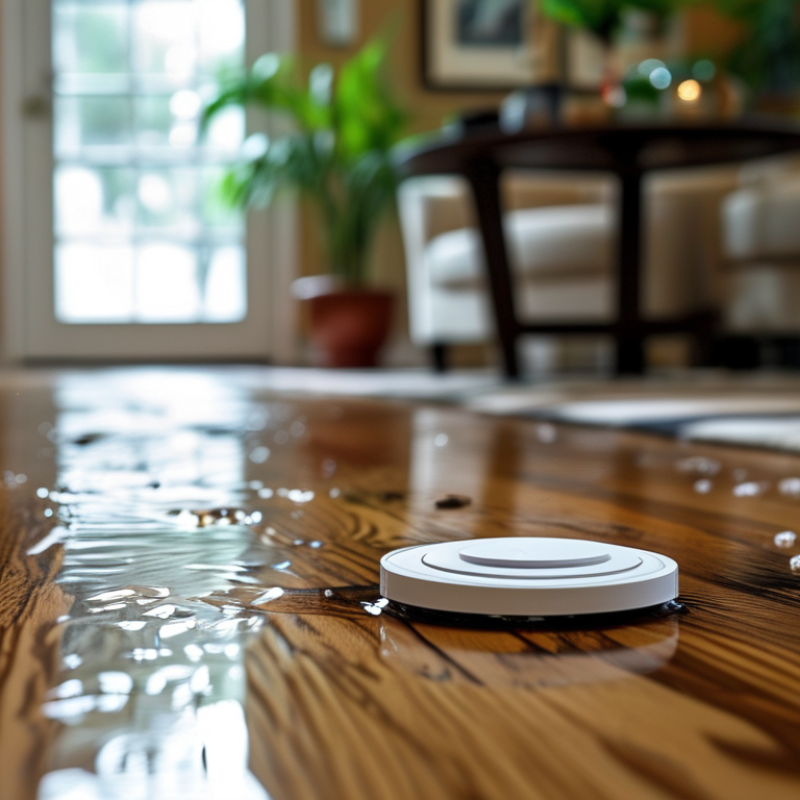
How to Choose the Best Wifi Water Leak Detector for Your Home?
Choosing the right Wifi Water Leak Detector is crucial for protecting your home. Water damage can lead to significant expenses. A reliable detector can alert you before a small leak becomes a major problem. Many options are available, making it hard to decide which is best.
When looking for a Wifi Water Leak Detector, consider your needs carefully. Think about detector features, like sensitivity and range. Some detectors connect to smart home systems, offering convenience and control. However, not all detectors are user-friendly, and some might be too complex for your setup.
Pay attention to brand reputation and customer reviews. Trusted brands often have a history of quality and reliability. It's essential to find a balance between cost and features. A higher price doesn't always guarantee better performance. Evaluating various factors will help you make an informed decision for your home.
Understanding the Importance of a Wifi Water Leak Detector in Your Home
Water damage can lead to severe financial losses. According to a recent report from the Insurance Information Institute, water damage claims average around $11,000. This makes a WiFi water leak detector an essential investment for homeowners. These devices monitor moisture levels and notify you instantly, allowing for timely interventions before the problem escalates. In fact, homes equipped with such technology can reduce water damage incidents by 80%.
Understanding the significance of these detectors is crucial. They not only safeguard your property but also protect your peace of mind. WiFi models offer remote monitoring, meaning you can check your home's water status from anywhere. This feature proves valuable even when you're on vacation. Sometimes, homeowners neglect regular maintenance, increasing vulnerability to leaks. Implementing a detection system can act as a second line of defense.
Additionally, the setup is straightforward. Most detectors simply require placement in high-risk areas, like basements or near appliances. Alerts can be sent directly to your smartphone, enhancing reliability. However, it is essential to acknowledge that different homes have unique needs. Evaluating your situation is vital in selecting the ideal product. Each leak detector may vary in features, so understanding your home's risks can help refine your choice.
Key Features to Consider When Selecting a Wifi Water Leak Detector
When selecting a WiFi water leak detector for your home, several key features stand out. Look for devices that offer early detection. These detectors should alert you promptly when moisture is detected. Quick alerts can save you from significant water damage. A reliable notification system, whether through an app or SMS, is essential.
Consider the range of the device. It should cover the entire area where leaks are likely to occur. Some models offer extended range capabilities, ensuring no corner of your home is left unmonitored. Also, look for units that can connect with multiple sensors. This feature allows you to monitor different parts of your home easily.
Battery life is another critical aspect. A water leak detector with a long-lasting battery can give you peace of mind. Choose devices that allow easy battery replacement. Remember, a detector is only as good as its power source.
Effective monitoring is vital. Devices should enable real-time monitoring from your smartphone. Not all models are user-friendly, so check reviews for usability. Ensuring that you can access the alerts quickly is crucial for timely responses to leaks.
Comparing Different Brands and Models of Wifi Water Leak Detectors
When selecting a wifi water leak detector, understanding the various brands and models is crucial. Different devices offer unique features like real-time alerts, sensor range, and mobile app compatibility. According to a market study, about 70% of homeowners prefer detectors that integrate seamlessly with their smart home systems. This demand highlights the growth and importance of reliable water leak detection.
Not all detectors are created equal. Some models claim to offer advanced features, but user reviews often reveal inconsistencies in performance. A report by a leading home safety organization indicates that nearly 30% of consumers experienced false alarms with their devices. This situation raises concerns about reliability. It’s essential to weigh both the positive and negative feedback before making a decision.
Consider the sensor types as well. Certain models utilize moisture sensors, while others rely on ultrasonic technology. Both have their pros and cons, impacting detection accuracy. Research shows that ultrasonic detectors perform well in larger areas, but they may misinterpret other sounds as leaks. Homeowners should reflect on their specific needs and the capabilities of each device before finalizing their choice.
How to Choose the Best Wifi Water Leak Detector for Your Home? - Comparing Different Brands and Models of Wifi Water Leak Detectors
| Feature | Model A | Model B | Model C | Model D |
| Detection Method | Electrodes | Capacitance | Ultrasonic | Electrodes |
| Range | Up to 50 ft | Up to 30 ft | Up to 75 ft | Up to 50 ft |
| Mobile App Support | Yes | Yes | No | Yes |
| Battery Life | 2 years | 1 year | 3 years | 2 years |
| Alert Type | Push Notifications | Email Alerts | Both | Push Notifications |
| Water Sensor | Single | Single | Multiple | Single |
Tips for Proper Installation and Placement of Your Water Leak Detector
When installing a wifi water leak detector, placement is crucial. According to industry reports, 70% of water damage occurs in basements, kitchens, and bathrooms. Therefore, positioning your detector in these areas can significantly reduce potential damage. Keep detectors close to water sources, such as under sinks or near washing machines. This increases the likelihood of detecting leaks early.
Consider the elevation as well. Placing detectors on elevated surfaces can help avoid false alarms caused by splashes. In basements, ensure they are above the typical water level. According to a study by the American Society of Home Inspectors, many homeowners underestimate the risk of hidden leaks. Regularly check the detector's function, especially after heavy rainfall or flooding, as reliance on technology should not substitute for vigilance.
Wireless detectors are often battery-powered. This means regular battery checks are necessary for reliability. Some homeowners neglect this maintenance, leading to malfunction. Additionally, ensure the detector is within wifi range for optimal performance. A weak connection can delay alerts, reducing effectiveness. Remember, an ideal setup combines strategic placement, regular maintenance, and a good wifi connection to provide the best home protection against water leaks.
Water Leak Detector Comparison
This chart compares three different water leak detectors based on sensitivity, battery life, price, and response time. Choose the best one that fits your home needs.
Maintenance and Troubleshooting for Optimal Detector Performance
Maintaining your wifi water leak detector ensures optimal performance. Regular checks can identify any issues early. A simple test involves pouring a small amount of water near the sensor. If it alerts you, it works fine. If not, you may need to inspect the device further.
Cleaning the detector is important too. Dust or debris can interfere with its sensors. A dry cloth should suffice. However, avoid using harsh chemicals. They may damage the device. Instead, focus on gentle cleaning methods.
Occasionally, the batteries might need replacement. Some detectors alert you when battery levels are low. Others do not. Be proactive in checking them periodically. Regular maintenance can prevent unnecessary flooding and costly repairs. Keeping an eye on your detector's performance is key.