How to Choose the Best Emergency Generator for Your Needs?
When faced with severe weather or power outages, having a reliable Emergency Generator can be imperative. According to the U.S. Energy Information Administration, around 20% of homes experience power outages every year. These blackouts can last from hours to several days, emphasizing the need for backup power solutions. Choosing the right emergency generator ensures not only comfort but also safety during critical times.
Experts recommend assessing your power needs before making a purchase. Various generators provide different wattage levels. The average home may require between 5,000 to 10,000 watts to run essential appliances. However, many consumers underestimate their requirements, leading to potential shortages during an outage. This miscalculation can cause frustration and increased stress when power is most urgently needed.
Moreover, it's essential to consider fuel types and generator portability. Gasoline generators are widely available, but natural gas units offer convenience during long-term outages. Each generator's features and reliability differ significantly, and selecting the best one means evaluating personal circumstances. Understanding these elements can significantly affect your preparedness during emergencies. Remember, the right emergency generator may not just be a luxury; it can be a necessity for families in unpredictable situations.
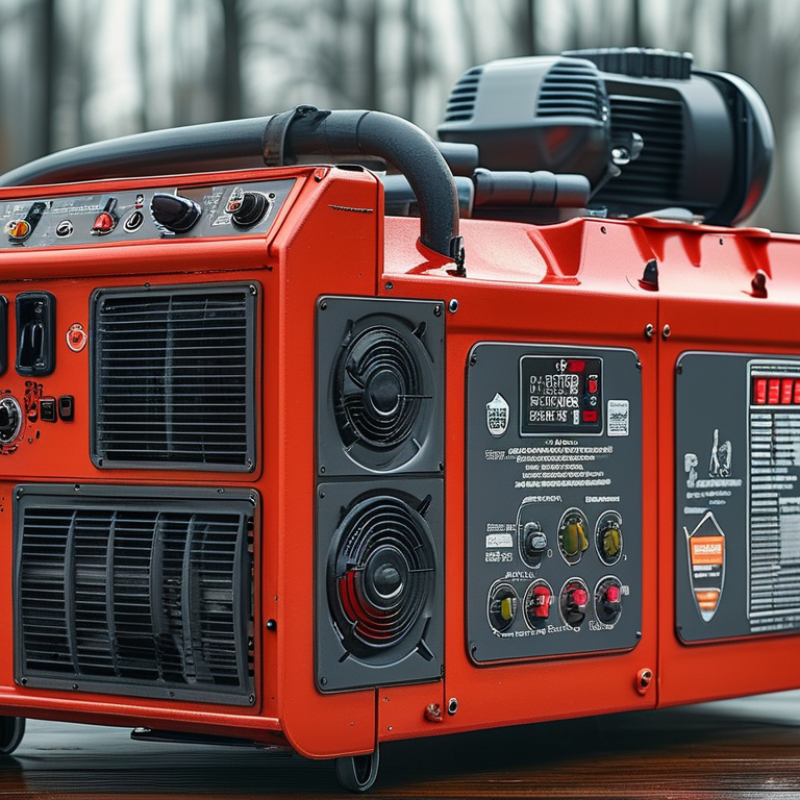
Understanding Your Power Requirements for an Emergency Generator
When choosing an emergency generator, understanding power requirements is crucial. Calculate the total wattage of the essential appliances you need to run during an outage. This includes lights, refrigerators, and medical devices. A common mistake is underestimating power needs. For instance, do you have a home office? You might need additional wattage for computers.
Consider how frequently you may rely on the generator. Frequent use may require a more powerful model. Think about the fuel type as well. Gasoline, propane, and diesel offer different benefits and limitations. For instance, gasoline has a shorter shelf life. Evaluate your living situation too. If you live in a hurricane-prone area, prepping for longer outages is key.
Reflect on your available space for storage. Generators can be bulky and require proper ventilation. An imperfect choice could lead to frustration during an emergency. Check local regulations, as there may be restrictions on generator use. Assess your unique needs carefully. Investing time in understanding your requirements today will pay off in future emergencies.
Types of Emergency Generators and Their Applications
When choosing an emergency generator, understanding its types and applications is crucial. Portable generators are popular for home use due to their affordability and ease of transport. They typically provide 3,000 to 7,500 watts of power, suitable for essential appliances like refrigerators and lights. According to the Electrical Safety Foundation International, these generators have gained traction, with sales increasing by 30% over the past few years.
In contrast, standby generators offer automatic power restoration during outages. They connect directly to your home’s electrical system and can handle up to 25,000 watts. This makes them ideal for keeping critical systems running, especially in areas prone to severe weather. The National Fire Protection Association highlights the importance of having reliable backup power in emergency plans.
When selecting a generator, consider capacity carefully. Your needs will depend on home size and necessary devices. It's wise to calculate your total wattage requirement before purchasing. Ensure thorough research. Check reviews, specifications, and safety features.
Tip: Always look for models with inverter technology. They provide cleaner power, reducing the risk of damage to sensitive electronics.
Tip: Regular maintenance is key. Inspect fuel systems and test generators monthly to ensure readiness. Such steps can prevent costly repairs later.
Key Features to Consider When Choosing a Generator
When selecting an emergency generator, understanding key features can streamline your decision. Power output is paramount. Look for generators rated between 3,000 to 7,500 watts, depending on your needs. According to the Portable Generator Manufacturers’ Association, a household usually requires around 5,000 watts. This covers essential appliances like refrigerators and lights during an outage.
Fuel type plays a crucial role. Most generators run on gasoline, but some use propane or diesel. Propane has a longer shelf life, making it a reliable option. However, diesel generators tend to last longer and are often more fuel-efficient. Consider your storage capabilities. A 10-gallon gas tank might be sufficient for short outages, but longer emergencies need better planning.
**Tips:** Regular maintenance ensures your generator is ready when you need it. Change the oil and filter every 100 hours of use. Also, think about noise levels. Quiet units reduce disturbance during outages, impacting your comfort.
Battery and starting mechanisms also matter. Electric start systems are easier to use. However, recoil start systems can offer reliability if the battery dies. Always check for safety features like automatic shut-off to prevent overheating. Balancing these considerations can lead to a well-informed choice.
Fuel Options: Gasoline, Diesel, and Propane Explained
When choosing an emergency generator, fuel options play a crucial role. Gasoline, diesel, and propane each have distinct advantages. Gasoline generators are widely available and can start easily. However, they can degrade over time if not used regularly. It’s important to store gasoline properly to avoid issues during an emergency.
Diesel generators are known for their efficiency. They typically run longer on a single tank than gasoline models. Yet, diesel can be harder to source during a crisis. Maintenance is also key; diesel engines need more care to keep them running smoothly.
Propane is another viable option. It is clean-burning and has a long shelf life. This means you can store it for extended periods without degradation. However, finding propane refill stations may be challenging in an emergency.
Tips: Always store fuel in a cool, dry place. Keep generators in a well-ventilated area to prevent carbon monoxide buildup. Regularly check your fuel supply to ensure it is sufficient and functional. Be mindful that each fuel type has its own handling and storage guidelines, so research is essential.
Maintenance and Safety Tips for Emergency Generators
When considering an emergency generator, maintenance and safety are vital. Regular checks can prevent unexpected breakdowns. You should inspect fuel levels and ensure proper functionality. Look for leaks and unusual sounds during operation. It’s essential to keep the generator clean and dry. Dust and debris can affect its efficiency.
Safety should never be overlooked. Always operate the generator outdoors to prevent carbon monoxide buildup. If using extension cords, choose heavy-duty ones to handle the power load. Make sure to plug appliances directly into the generator when possible. This minimizes risks.
Scheduled maintenance is crucial. Change the oil and filters as recommended. Sometimes, you may forget these essential tasks. Set reminders to help you remember. It might seem tedious, but it significantly enhances longevity and performance. Store your generator in a safe place to protect it from theft and the elements. Neglecting these aspects may lead to complications when you need the generator most.
