Why Choose a Solar MPPT Controller for Your Solar System?
In the realm of renewable energy, the choice of equipment is critical. A Solar MPPT controller stands out as a key component for solar systems. This device optimizes energy capture from solar panels. By adjusting the electrical operating point, it ensures maximum efficiency. Homeowners can significantly increase their energy yield when they use it.
The benefits of a Solar MPPT controller are evident. It adapts to changing sunlight conditions and maintains optimal performance. This flexibility can be crucial for systems in shaded areas or with varying angles. Yet, some users may overlook the initial cost. It’s essential to weigh this investment against potential energy savings.
Choosing a Solar MPPT controller demands careful consideration. Users should evaluate their unique energy needs. While the advantages are clear, there are still challenges. The technology requires knowledge to install and maintain. Making informed decisions in this area can lead to long-term benefits.
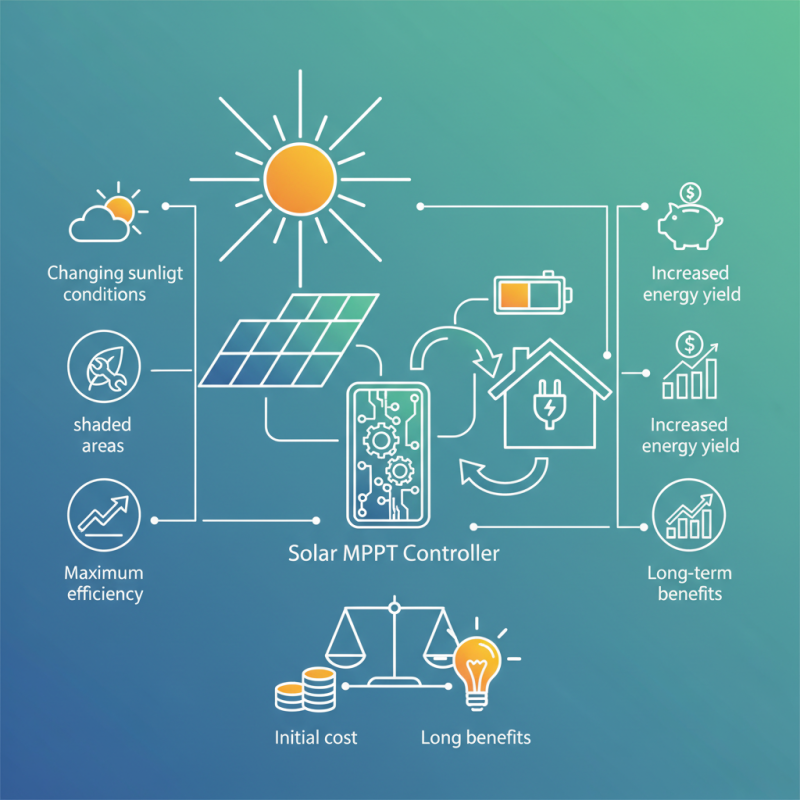
Understanding Solar MPPT Controllers and Their Functionality
Solar MPPT (Maximum Power Point Tracking) controllers play a crucial role in harnessing solar energy. They optimize power output by adjusting the electrical load. This dynamic adaptation ensures the solar panels operate at their highest efficiency. By continuously tracking the maximum power point, MPPT controllers can extract more energy than traditional charge controllers.
These devices work under varying sunlight conditions. For example, during cloudy days, an MPPT controller adjusts to capture available sunlight effectively. This means you could be benefitting even on overcast days. However, setup can be challenging. Users often underestimate the importance of proper installation. A misaligned setup can lead to energy loss that might frustrate homeowners.
Moreover, MPPT controllers are not perfect. They can become inefficient with smaller solar systems. This inefficiency might lead to a mismatch between the system's capabilities and the actual energy needs. It's essential to assess your specific requirements before investing in an MPPT solution. Balancing cost and benefit is crucial for maximizing your solar energy system.
Why Choose a Solar MPPT Controller for Your Solar System? - Understanding Solar MPPT Controllers and Their Functionality
| Feature | Description | Benefits |
| Maximum Power Point Tracking (MPPT) | Optimizes solar panel output by adjusting electrical operating point. | Increases energy harvest by up to 30% compared to PWM controllers. |
| Efficiency | High conversion efficiency of 95% or more. | Maximizes usable power from solar panels with minimal losses. |
| Load Control | Intelligently manages and prioritizes load usage. | Prevents battery overload and extends battery life. |
| Battery Compatibility | Supports various battery types including lithium, gel, and AGM. | Offers flexibility and better performance across different battery technologies. |
| Monitoring and Communication | Provides real-time data on solar production and system performance. | Enables users to track system efficiency and troubleshoot issues. |
Benefits of Using MPPT Controllers in Solar Energy Systems
Choosing a solar MPPT controller can significantly enhance your solar energy system. MPPT stands for Maximum Power Point Tracking. This technology increases the efficiency of power generation. In simple words, it allows you to capture more energy from the sun.
Using an MPPT controller means better energy conversion. These devices optimize voltage and current from solar panels. This results in more usable electricity. You could see up to 30% more energy harvested on cloudy days. For many, this makes a noticeable difference in energy bills. Clarity is key; the right setup ensures your system operates near its peak performance.
Yet, not all systems need MPPT controllers. Smaller solar arrays may function well with simpler options. The expense might raise eyebrows. One must weigh benefits against initial costs. It's crucial to assess your unique energy needs. Reflecting on this can help guide your decision effectively.
Comparing MPPT Controllers with Traditional PWM Controllers
When it comes to solar controllers, the debate often centers on MPPT versus PWM. MPPT, or Maximum Power Point Tracking, is designed to optimize energy harvest. This can lead to higher efficiency compared to traditional PWM controllers, which simply regulate voltage and current.
MPPT controllers adapt to changing weather conditions. They can increase energy capture by up to 30%. In contrast, PWM systems tend to underperform in low-light situations. They might not adjust effectively when sunlight fluctuates. This limitation can be frustrating.
Installation of MPPT controllers can be complex. It requires a good understanding of solar technology. Some users may hesitate, fearing higher costs. However, the long-term benefits often outweigh the initial investment. A better return on energy generation can lead to significant savings in the long run.
Factors to Consider When Choosing an MPPT Controller
When selecting a solar MPPT controller, several factors are crucial. Efficiency is paramount. A high-efficiency controller optimizes energy harvest from solar panels. This leads to better battery charging, reducing the time needed for full capacity.
Consider the voltage rating. It should match your solar panel setup. Mismatches can cause performance issues. Assess the controller's maximum input voltage too. It must handle potential spikes from solar panel output.
**Tips:** Think about future growth. If you plan to expand your solar system, choose a controller that accommodates larger capacities. Flexibility is key in maintaining efficiency over time.
Another factor is user interface. Some controllers offer detailed displays. They provide real-time data on performance. This transparency allows for quick adjustments. However, simpler models might suffice for basic setups.
**Tips:** Keep in mind that user experience can vary. Research user reviews to gauge reliability and ease of use. Some might find advanced features unnecessary.
Ultimately, take your time to evaluate options. Every choice impacts your solar energy output. Addressing each factor thoughtfully will lead to a more effective solar system.
Installation and Maintenance of Solar MPPT Controllers
Installing a solar MPPT controller is a straightforward process, yet it requires careful planning. First, ensure all materials and tools are ready. You’ll need mounting brackets, wiring, and connectors. The controller should be placed in an area with good ventilation. Heat can impact its performance, so avoid crowded spaces.
Connecting the controller to your solar panels and batteries is critical. Make sure to follow the wiring diagrams provided in the manual. Mistakes can lead to malfunctions. It’s easy to overlook details, like proper tightening of connectors. Loose connections can cause energy loss. After installation, monitor the system regularly for any signs of issues.
Maintenance is essential for optimal performance. Keep the controller clean and free from dust. Seasonal checks are wise, especially after extreme weather. Some users forget to check for corrosion. Regular inspections help prevent this. It’s important to stay proactive about potential problems. This way, you can ensure your solar system operates efficiently.
Benefits of Using a Solar MPPT Controller
This bar chart shows the various benefits of using a Solar MPPT Controller in your solar system, detailing the increased efficiency, performance enhancements, cost savings, longer lifespan, and easier integration compared to traditional controllers. Each benefit is illustrated by its percentage impact on overall system performance.
