Top Benefits of Sodium-Ion Battery Technology for Global Buyers?
As global demand for sustainable energy storage solutions surges, Sodium-Ion Battery Technology is emerging as a viable alternative to lithium-ion systems. With the battery market projected to reach $250 billion by 2026, innovations in sodium-ion technology are pertinent. According to a recent report by IDTechEx, sodium-ion batteries could become a key player by offering competitive performance at a lower cost. This positions them as attractive options for industries seeking cost-effective solutions.
Furthermore, sodium-ion batteries present advantageous materials availability. Sodium is abundant and less expensive than lithium, paving the way for a more sustainable supply chain. Research indicates that this technology could reduce costs by up to 50% for some applications. However, the energy density and cycle life of sodium-ion batteries still require improvement. Despite these challenges, the potential for wider adoption shines through, particularly in large-scale energy storage systems.
In a world increasingly focused on carbon reduction and resource efficiency, Sodium-Ion Battery Technology offers a pathway worth exploring. As manufacturers and researchers address existing limitations, the future seems promising. Global buyers should keep a close eye on this emerging technology as it evolves, weighing both its opportunities and uncertainties in the market.
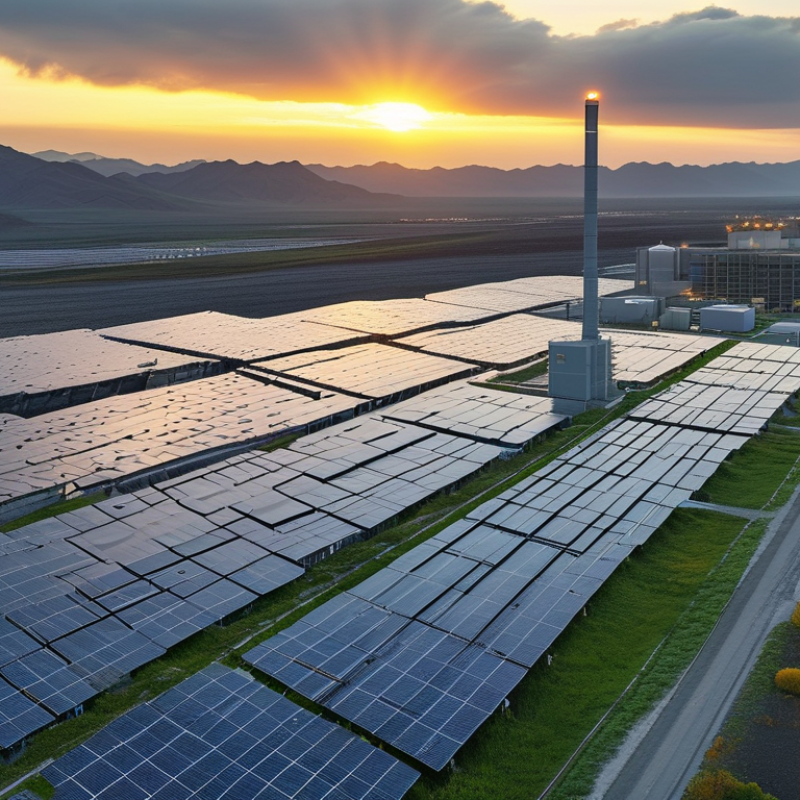
Top Benefits of Sodium-Ion Battery Technology for Global Buyers
Sodium-ion battery technology presents significant advantages for global buyers. It offers a more abundant raw material source compared to lithium-ion batteries. Sodium is plentiful and inexpensive. This feature makes sodium-ion batteries a more sustainable choice for long-term energy solutions.
The performance of sodium-ion batteries has improved markedly in recent years. They deliver competitive energy density levels and excellent cycle stability. These qualities are essential for various applications, from electric vehicles to grid storage. However, challenges remain, particularly in energy efficiency. Ongoing research aims to bridge these gaps and enhance overall performance.
Additionally, sodium-ion batteries may have a lower environmental impact. Their production processes promise less harm and more recycling potential. Still, the technology is not without flaws. Research and development need to address energy output and longevity issues. It’s vital to ensure that these batteries meet the growing market's reliability expectations.
Top Benefits of Sodium-Ion Battery Technology for Global Buyers
Cost-Effectiveness: Analyzing Sodium-Ion vs. Lithium-Ion Battery Pricing
Emerging from the shadows of lithium-ion technology, sodium-ion batteries offer a promising alternative for global buyers. Their primary advantage lies in cost-effectiveness. Sodium is abundant and widely available, making these batteries potentially cheaper to produce than their lithium counterparts. The lower costs stem from the raw materials used in their manufacture. This aspect is especially crucial for industries looking to cut costs while maintaining efficiency.
Another advantage is the pricing stability of sodium compared to lithium. The supply of lithium can be volatile, leading to fluctuating costs. For buyers, this means a more predictable expense structure. However, sodium-ion technology still faces hurdles. Their energy densities are currently lower than lithium-ion batteries. This could impact applications where power and efficiency are critical.
Engineers and manufacturers are exploring ways to enhance these batteries. There is optimism about their future performance, but challenges remain. Buyers should monitor developments closely, as advancements could shift the landscape. The decision-making process should consider both current pricing and potential shifts in technology.
Environmental Impact: Reducing Carbon Footprint with Sodium-Ion Batteries
Sodium-ion batteries present a promising alternative in energy storage, particularly for their environmental benefits. Unlike lithium-ion batteries, sodium-ion technology uses abundant materials, which helps reduce the extraction impact on ecosystems. This shift can meaningfully lower the carbon footprint produced during production and disposal.
The manufacturing of sodium-ion batteries generates less waste and consumes fewer resources. This process contributes to a more sustainable and responsible energy solution. However, the technology is still developing. Some challenges include energy density compared to traditional batteries and efficiency in extreme temperatures. Buyers should consider these factors.
In addition, while sodium-ion batteries may offer environmental advantages, they are not a silver bullet. End-of-life recycling strategies are still being optimized. The benefits seen today must be weighed against potential drawbacks. This reflection is essential as we push toward a more sustainable future.
Enhanced Safety Features: Examining the Stability of Sodium-Ion Technology
Sodium-ion battery technology is gaining traction due to its enhanced safety features. Unlike conventional lithium-ion batteries, sodium-ion batteries show greater stability under various conditions. This stability significantly reduces the risks of overheating and thermal runaway. Consequently, users can enjoy peace of mind when deploying sodium-ion technology in applications ranging from electric vehicles to large-scale energy storage.
Tip: Always consider the operational environment. High temperatures might still impact battery performance, even with sodium-ion technology's enhanced safety features.
Additionally, the chemical composition of sodium-ion batteries contributes to this stability. Sodium ions are less reactive than lithium ions. This lowers the risk of dangerous reactions. Even under adverse conditions, sodium-ion batteries demonstrate an ability to remain functional and safe. However, it’s crucial to remain aware of the technology's evolving nature. Innovations are ongoing, and users should keep updated with the latest developments.
Tip: Frequent updates from reliable sources can guide your understanding of safety standards and battery performance metrics.
Performance Metrics: Energy Density and Lifespan of Sodium-Ion Batteries
Sodium-ion batteries (SIBs) are emerging as a promising alternative to lithium-based technologies. Their performance metrics, particularly energy density and lifespan, are critical for global buyers. Reports indicate that sodium-ion batteries can reach energy densities between 100 to 150 Wh/kg, which is competitive with many traditional lithium-ion batteries. This makes them viable for various applications, from electric vehicles to grid storage systems.
The lifespan of sodium-ion batteries generally ranges from 2,000 to 3,000 cycles. This is noteworthy as it offers a longer lifespan compared to some lithium-ion counterparts. Studies suggest that due to their robust chemistry, SIBs are less prone to degradation over time. This characteristic may lead to lower replacement costs and improved sustainability.
Tip: When considering SIBs, evaluate the specific energy density requirements for your application. Different use cases demand varying performance metrics. Additionally, anticipate future advancements in this technology that could enhance these metrics further. The evolving landscape of sodium-ion batteries presents both opportunities and challenges. Collecting detailed performance data can help navigate these complexities.
Conclusion
Sodium-Ion Battery Technology is emerging as a compelling alternative to traditional lithium-ion batteries, particularly for global buyers seeking cost-effective and sustainable energy solutions. One of the primary advantages is its cost-effectiveness, as sodium is more abundant and less expensive than lithium, making the production of sodium-ion batteries potentially cheaper. Additionally, these batteries offer significant environmental benefits by reducing the overall carbon footprint, aligning with global sustainability goals.
Moreover, the enhanced safety features of Sodium-Ion Battery Technology present a more stable option compared to its lithium counterpart, minimizing the risks of flammability and overheating. Performance metrics, including energy density and lifespan, indicate that sodium-ion batteries can meet various energy demands effectively. As market trends show increasing adoption rates and positive forecasts for sodium-ion usage, this technology stands to play a crucial role in the future of energy storage and transition towards greener alternatives.
