What is an Anti Drone Device and How Does it Work?
The rise of drones has prompted a need for effective security measures. Anti Drone Devices are essential in preventing unauthorized drone use. According to a report by MarketsandMarkets, the anti-drone market is projected to reach $4.7 billion by 2025. This growth signifies a growing concern over drone threats across various sectors.
Experts recognize the importance of these devices. Dr. Emily Roche, a leading specialist in drone security, stated, "The evolution of drones necessitates an equal evolution in countermeasures." This highlights the urgency in advancing anti-drone technology.
However, not all anti-drone devices are created equal. Their effectiveness can vary based on the technology employed and the specific threat they address. The industry still faces challenges in standardizing solutions to ensure reliability and effectiveness in diverse environments. This reflection encourages ongoing research and development, pushing the boundaries of what these devices can achieve.
What is an Anti Drone Device?
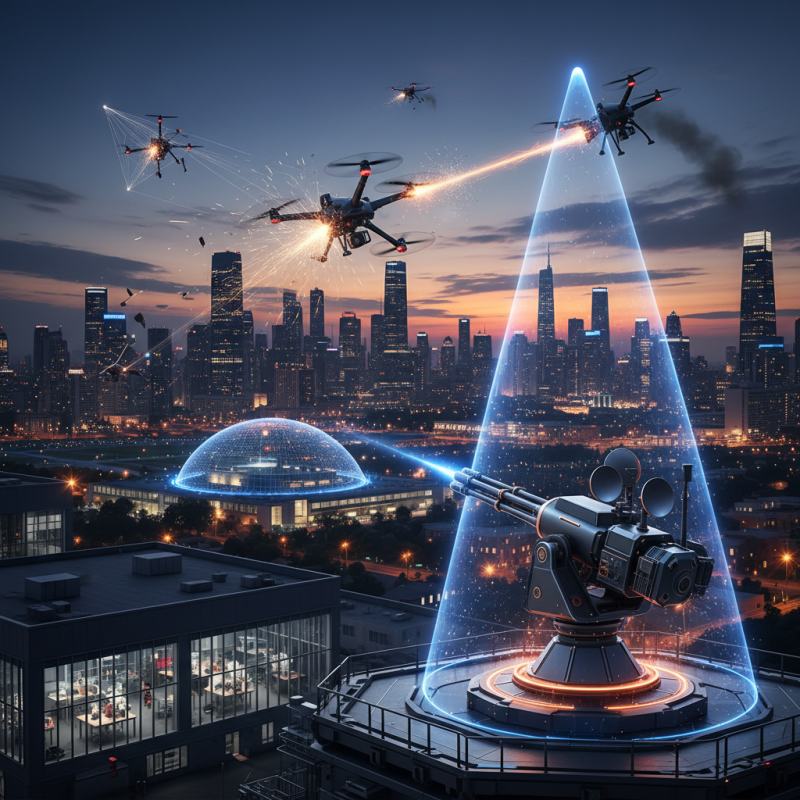
Anti-drone devices have become essential in today's technological landscape. These devices detect, monitor, and neutralize unauthorized drones flying in restricted airspace. They offer a solution to various concerns, such as privacy breaches, security risks, and even potential threats to aviation safety. Understanding how they operate is crucial for anyone interested in drone technology.
Many anti-drone devices use radio frequency (RF) jamming techniques. They disrupt the communication between the drone and its operator. This interruption causes the drone to lose control, forcing it to land or return to its launch point. Other methods involve using radar systems that identify and track drone movements in real-time. These technologies effectively enhance security in sensitive areas like military bases and airports.
Tip: When dealing with drone policies, always stay informed. Local regulations can vary significantly. Not all areas permit the use of anti-drone devices.
Despite their benefits, anti-drone devices are not foolproof. They can interfere with legitimate drones. This raises ethical concerns about overreach. Users need to reflect on the implications of their use, especially in populated areas. Careful consideration and proper training are essential for responsible operation.
Tip: Engage with local authorities before deploying anti-drone technology. This ensures compliance and fosters community trust.
Types of Anti Drone Devices Available Today
Anti-drone devices have surged in popularity as drone usage rises globally. Various types of anti-drone technology are now available. These devices primarily include radio frequency jammers, spoofers, and net guns. Radio frequency jammers disrupt the signals between the drone and its operator. This technology can enhance security, especially at sensitive locations. A study from MarketsandMarkets estimates the anti-drone market will reach $2.1 billion by 2023.
Spoofers manipulate the drone's GPS signals. They deceive drones into believing they are somewhere else. This method is effective in redirecting drones away from restricted areas. A report by Grand View Research shows that the demand for spoofers is expected to grow by over 25% annually. Net guns can physically capture drones, preventing further flight. They are utilized in law enforcement and military applications. However, these methods can falter under certain conditions, which requires continuous improvement in technology.
Some users question the reliability of these devices. Signal jamming can inadvertently affect nearby communications. Spoofers may not work against advanced drones with strong navigation systems. The effectiveness of net guns also depends on accuracy and conditions. Regulations can vary based on location, leading to uncertainty in application. Companies and security agencies face ongoing challenges to develop solutions that adapt to evolving drone technologies.
How Anti Drone Devices Detect Flying Drones
Anti-drone devices are becoming essential in various sectors. They play a crucial role in securing airspace. These devices utilize advanced technologies to detect and neutralize flying drones effectively. Recent industry reports highlight that the market for anti-drone technology is projected to grow significantly, reaching over $2 billion by 2025. This growth reflects an increasing need for security solutions against unauthorized drone activity.
Detection methods of anti-drone systems vary widely. Common techniques include radar, radio frequency (RF) analysis, and visual tracking. Radar systems scan the skies for objects that match the characteristics of drones. RF devices monitor wireless signals emitted by drones. They detect when a drone is operational by picking up on communication with the pilot. These methods can identify a drone's location and trajectory, which is critical for timely responses.
Moreover, visual tracking systems use cameras and image recognition software to spot drones. They capture real-time footage, allowing operators to assess potential threats. It’s notable that reliance on a single detection method can have limitations, leaving gaps in coverage. For instance, radar systems may struggle with small drones flying at low altitudes. Combining various detection methods could enhance reliability and effectiveness in counter-drone operations.
Mechanisms of Action: How Anti Drone Devices Work
Anti-drone devices are becoming essential in protecting sensitive areas. They respond to unauthorized drones in various ways. Understanding their mechanisms of action is crucial for effective deployment.
One common method is signal jamming. These devices disrupt communication between the drone and its controller. When the signal is lost, the drone often lands or returns to its launch point. This approach can effectively neutralize threats without physical damage. However, it has limitations, such as affecting other wireless devices nearby.
Another method involves detection and interception. Some devices use radar or cameras to identify drones. Once recognized, they can deploy nets to capture them mid-air. This method is more hands-on and requires precise timing. While effective, it raises questions about safety and unintended consequences.
**Tip:** Always assess your environment before deploying an anti-drone device. Consider potential interferences with other technology.
Using anti-drone technology demands balance. Effectiveness must be weighed against possible risks. Each situation may require a tailored approach for optimal results.
Applications and Challenges of Using Anti Drone Technology
Anti-drone technology has emerged as a crucial response to the growing threat posed by unauthorized drones. These devices are designed to detect, track, and neutralize drones in various environments. As usage increases in commercial and private settings, the applications of anti-drone systems expand. Airports, critical infrastructure, and public events are key areas of deployment. According to a report by MarketsandMarkets, the anti-drone market is projected to reach $3.8 billion by 2025, highlighting significant investment and interest in this technology.
However, the integration of anti-drone devices is not without challenges. One primary concern involves the risk of false positives. In urban environments, distinguishing between commercial drones and benign signals is complex. Additionally, interference with legitimate drone operations can disrupt services like emergency response or delivery systems. Stakeholders must address these issues carefully. They must ensure that anti-drone systems do not infringe on legal airspace or privacy rights.
Tips: Regular testing and updates for anti-drone systems can help reduce inaccuracies. Engaging with local communities can build trust, ensuring the technology is used responsibly. Continuous dialogue with regulatory bodies will help shape best practices in deployment. Continuous education on drone regulations can also help operators understand their responsibilities. A collaborative approach is crucial in navigating this evolving landscape.
What is an Anti Drone Device and How Does it Work? - Applications and Challenges of Using Anti Drone Technology
| Technology Type | Working Principle | Applications | Challenges |
| Radio Frequency Jamming | Disruption of communication between drone and operator. | Airport security, military operations. | Possible interference with legitimate communications. |
| GPS Spoofing | Sending false GPS signals to redirect the drone. | Critical infrastructure protection, event security. | Technical expertise required for deployment. |
| Drone Capture Nets | Physical capture using nets deployed by another drone. | Law enforcement, prison security. | High operational cost, need for skilled pilots. |
| Laser Systems | Targeting drone with directed energy to disable it. | Military applications, large events security. | Safety concerns, potential harm to bystanders. |
| Signal Detection and Tracking | Utilizing sensors to detect and track drone signals. | Flight path analysis, threat assessment. | Requires complex data analysis and processing. |
